EN
EN

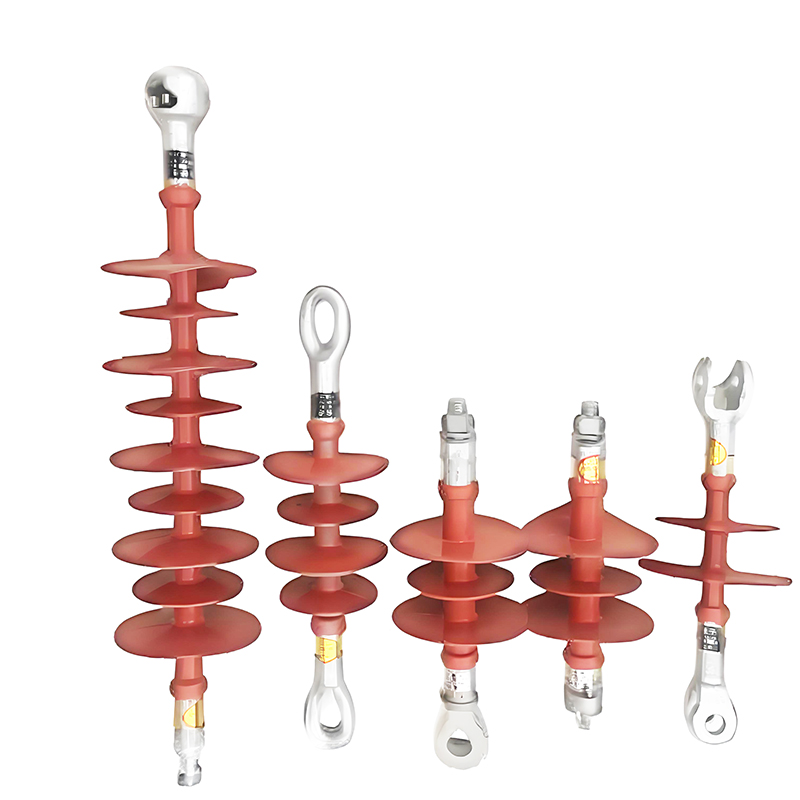
Thermal Stability: How Insulators Maintain Performance Across Extreme Temperatures
High-Temperature Integrity in Furnaces, Kilns, and Industrial Process Lines
Industrial settings where temperatures soar well beyond 1000 degrees Celsius, think kilns and various types of furnaces, need special insulation materials that can handle extreme heat without breaking down or losing strength. Materials like ceramic fibers and reinforced mica sheets work really well here because they conduct very little heat and won't melt until around 1300 degrees Celsius or higher. These materials stand up to direct contact with flames and stop excessive heat from reaching parts outside the hot zone, which helps avoid serious problems such as metal warping or structural cracks forming over time. According to recent studies from government energy reports, good quality insulation can cut down on wasted energy inside furnaces by anywhere between 15% to 30%. When dealing with processes involving molten metals or glass manufacturing, it's especially important to use stable insulating materials that maintain their performance characteristics even after going through countless heating and cooling cycles throughout their service life.
Low-Temperature & Freeze-Thaw Resilience for Cryogenic and Arctic Applications
When working with cryogenic systems, whether they're handling liquid nitrogen at minus 196 degrees Celsius or operating in Arctic conditions, proper insulation needs to stand up against brittleness issues, ice buildup problems, and all sorts of stress caused by temperature changes. Materials like closed cell elastomers and aerogels stay flexible even when temps drop below -50°C and can handle sudden temperature shifts without developing cracks. Special coatings that repel ice help keep seals intact in important places like liquefied natural gas storage facilities and oil rigs out at sea. The ability of materials to survive repeated freezing and thawing cycles makes a big difference in how often maintenance crews need to intervene. According to recent research from NIST in 2023, materials that fail standard freeze-thaw tests end up needing replacement about 40% more frequently in these harsh northern environments. For engineers looking to extend equipment life, polymer composites mixed with water-repelling additives offer another layer of protection against moisture getting inside and causing frost heave damage over time.
Environmental Resistance: Protecting Insulators Against Moisture, Ice, and Corrosion
Hydrophobicity, Pollution Shedding, and Ice-Phobic Surface Engineering
Water-repelling coatings play a critical role in stopping water buildup, which remains one of the main reasons insulation fails in areas with high humidity, near coasts, or during cold weather. These specially designed surfaces do more than just push away moisture. They actually get rid of dirt particles floating in the air and make it harder for ice to stick by changing how molecules interact at the surface level. When water can't get into materials, this stops corrosion from happening beneath insulation layers (known as CUI) and keeps things running efficiently over time. This becomes especially important in places where condensation forms regularly or when surfaces go through repeated cycles of getting wet and drying out.
Chloride Resistance and Galvanic Corrosion Mitigation in Marine Environments
Salt air from coastal areas and offshore sites really takes a toll on insulators because of all the chloride in the atmosphere. The main problem here is galvanic corrosion caused by this salty environment. Good protection means using materials that resist chloride buildup. Think non-absorbent cellular glass or calcium silicate with special coatings. Pair these materials with smart dielectric designs that actually block those electrochemical reactions between different metals. When done right, this combination makes a big difference for equipment lifespan. We're talking about things like offshore wind turbines where the nacelle components need protection, or subsea pipelines that face constant exposure to seawater. These real world applications show why proper insulation matters so much in marine environments.
Long-Term Durability: Fire Resistance, UV Stability, and Material Aging of Insulators
Fire Endurance Standards (ASTM E119, UL 94) for Ceramic Fiber, Mica, and Aerogel Insulators
Materials like ceramic fiber, mica, and aerogel insulators pass tough fire tests such as ASTM E119 and UL 94. These standards look at how flames spread, how much smoke is produced, and whether structures hold up when exposed to long periods of intense heat. Ceramic fibers keep their thermal properties even above 1000 degrees Celsius. Mica has a natural layering made of silicates that makes it resistant to catching fire. Aerogels work well up to around 1200 degrees because of their tiny pores and very light weight. When used together, these materials cut down on equipment problems caused by fires by about two thirds compared with materials that don't meet these standards. This matters a lot in places like industrial furnaces and electrical boxes where safety is critical.
UV Radiation and Thermal Cycling Effects on Polymer-Based Insulator Degradation
Insulators made from polymers like polyethylene and EPDM have serious problems when exposed to sunlight and temperature changes over time. When these materials sit under UV rays for extended periods, their molecular chains start breaking apart. This leads to visible cracks on surfaces, color fading, and can reduce tensile strength by as much as 40% after just five years in service. Temperature fluctuations make matters worse too. The constant expanding and contracting creates tiny fractures that grow over time, weakening the material's ability to resist electrical breakdown. Some manufacturers try adding HALS stabilizers to combat this issue, but even the best polymer options still need replacing roughly every seven to ten years in places like solar farms or near coastlines. Ceramic and high purity silicone products last much longer because they don't degrade under UV exposure at all, making them far more durable choices for outdoor applications where maintenance costs matter.
Material Selection Framework for Harsh-Environment Insulators
Picking the correct insulation material isn't something that happens by accident. There are several key factors to consider when making this important decision. Let's start with temperature requirements. For extreme heat applications, materials such as ceramic fiber can handle temperatures reaching around 1600 degrees Celsius in furnace environments. On the other hand, organic foam options like polyisocyanurate (PIR) work best at much lower temps, typically below 100 degrees Celsius, but they actually provide better thermal resistance ranging from 0.018 to 0.028 W per meter Kelvin. Next up is environmental conditions. Marine environments really call for non-absorbent cellular glass since it resists chloride corrosion so well. Meanwhile, places with freezing temperatures see great results from hydrophobic aerogels that stop ice buildup problems. Mechanical strength matters too. Areas with heavy foot traffic definitely need something tough like calcium silicate that won't get crushed easily. Equipment subject to constant vibrations works better with flexible microporous blankets that can move with the machinery without breaking down. Lastly, don't forget about fire safety and UV protection. Running standard tests according to ASTM E119 and UL 94 standards shows why ceramic and silicone based products generally perform better against flames and maintain their properties over time compared to regular polymer materials. Always check what manufacturers claim against actual ASTM specs to make sure these materials will truly stand up to whatever stresses they'll face in real world situations.
FAQ
What materials are suitable for high-temperature insulation?
Materials like ceramic fibers, reinforced mica sheets, and aerogels are excellent for high-temperature insulation as they can withstand extreme heat without degrading.
How do insulators perform in cryogenic conditions?
Materials such as closed cell elastomers and aerogels maintain flexibility and integrity even in cryogenic conditions, preventing issues like brittleness and ice buildup.
Why is UV stability important for polymer-based insulators?
UV stability is crucial for polymer-based insulators because prolonged UV exposure can break down molecular chains, leading to material degradation, cracks, and reduced tensile strength.
Which materials are best for marine environment applications?
Non-absorbent cellular glass and calcium silicate with protective coatings are ideal for marine environments due to their resistance to chloride-induced galvanic corrosion.
Table of Contents
- Thermal Stability: How Insulators Maintain Performance Across Extreme Temperatures
- Environmental Resistance: Protecting Insulators Against Moisture, Ice, and Corrosion
- Long-Term Durability: Fire Resistance, UV Stability, and Material Aging of Insulators
- Material Selection Framework for Harsh-Environment Insulators
- FAQ