EN
EN

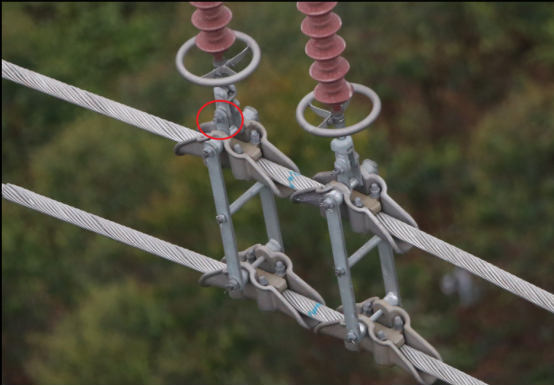
Core Functions and Classification of Link Fittings
Mechanical Role: Dead-end, suspension, and strain link fittings in transmission system integrity
Link fittings are pretty much the backbone of mechanical stability in power transmission systems. Dead end fittings basically stop the conductor wires at their ends and handle all the pulling force without breaking. Suspension fittings hold up the weight of conductors between transmission towers, allowing them to move just enough when temperatures change or winds blow hard. Strain fittings take care of those tricky spots where lines change direction or angle, absorbing forces from things like swaying caused by strong winds or that weird galloping effect sometimes seen in conductors. These different types work together to prevent big problems down the line. If a suspension fitting fails for example, it could lead to serious issues where conductors start swinging wildly over distances sometimes reaching beyond 15 meters according to studies from EPRI's Transmission Reference Book.
Standards Alignment: Key differences between GB/T 2314, IEC 61284, and IEEE 1138 for link fittings
Different regions have their own rules when it comes to validating link fittings because environmental conditions and how they're used vary so much around the world. For instance, GB/T 2314 requires equipment installed along China's coastlines to undergo salt spray testing for 500 hours straight. Then there's IEC 61284 which focuses on controlling radio interference voltages, basically needing them to stay under 500 microvolts when electric fields reach 1000 kilovolts per meter. And don't even get me started on IEEE 1138 standards that subject materials to intense UV aging tests equivalent to twenty years in the desert through those long 3000 hour xenon arc sessions. All these different requirements really highlight why getting specifications right matters so much when working on big infrastructure projects across multiple countries.
Electrical Compatibility: Voltage Level, Conductor Type, and Creepage Requirements
Corona control and clearance design for link fittings on 220 kV+ ACSR and ABC conductors
Getting electrical systems to work together properly depends on matching several factors at once: what voltage we're dealing with, which kind of conductor material is used, and the surrounding environmental conditions. When working with high voltage systems over 220 kV that use ACSR or ABC conductors, there's a minimum creepage distance requirement of around 25 mm for every kilovolt in areas where pollution is a problem according to IEC 60664 standards. Above about 150 kV levels, corona discharge starts becoming a major issue. To combat this, engineers need to smooth out surface irregularities and give conductors more space from their fittings. This helps reduce unwanted radio interference and cuts down on power losses that can reach as much as 3 kilowatts per kilometer when humidity is high. Choosing materials also matters because different metals expand differently when heated. Aluminum actually expands roughly 30 percent more than steel does under load conditions, so smart designs include built-in clearance adjustments. Good quality link fittings are essential too since they maintain proper insulation properties and stop dangerous flashovers from happening, particularly important near coastlines where salt buildup really speeds up how fast insulation breaks down over time.
Mechanical Load Matching and Environmental Durability of Link Fittings
Dynamic load factor (DLF) calibration for wind–ice loading per IEC 61284 Annex B
Getting good at assessing mechanical loads helps avoid structural failures down the road. The Dynamic Load Factor or DLF basically tells us how much extra stress wind and ice put on those link fittings. According to standards in IEC 61284 Annex B, when calibrating these factors we need real local weather data, especially important where ice builds up over 15 mm radius. For mountain areas compared to dry flatlands, sometimes the DLF numbers jump by as much as 2.5 times. This makes sense because mountain equipment needs to handle those combined wind and ice forces that can push past 50 kN before showing any sign of wear. Properly accounting for all this keeps power grids standing strong even when Mother Nature throws her worst at them.
Material resilience: Hot-dip galvanized steel vs. duplex stainless hybrids for coastal and high-corrosion zones
How well materials resist corrosion really determines how long they'll last when put into harsh conditions. Hot dip galvanization gives decent protection at a reasonable cost, typically applying around 85 microns of zinc coating. This usually means about 20 years before replacement becomes necessary in normal weather conditions, though coastal areas shorten that lifespan considerably down to somewhere between 7 and 12 years. For places where there's lots of salt air or chemical exposure, duplex stainless steel combinations work much better. These hybrid materials cut down on corrosion problems by roughly 92 percent compared to regular galvanized options according to standard salt spray tests similar to what ASTM B117 outlines for accelerated testing procedures.
| Material | Service Life (Coastal) | Corrosion Rate (µm/year) | Optimal Application |
|---|---|---|---|
| Hot-dip galvanized | 7–12 years | 5.8 | Inland regions, low salinity |
| Duplex stainless | 25+ years | 0.4 | Offshore, chemical exposure |
Though duplex fittings carry a ~20% cost premium, this investment is justified when replacement downtime exceeds $500k—a common scenario in remote or offshore locations where access constraints compound outage impact (EPRI 2023).
System Integration: Tower–Insulator–Link Fittings Interface Alignment
Angular tolerance and clevis compatibility in multi-string configurations (e.g., V-strings, Y-strings)
Getting the geometry right between tower components, insulators, and those connecting fittings makes all the difference when it comes to preventing load imbalances in complicated setups such as V-strings or Y-strings. According to IEC 61466-2 guidelines, any angular misalignment beyond plus or minus 1 degree can lead to dangerous stress levels on insulator stems, potentially reaching over 20 MPa. For clevis pins to work properly, they need to meet ISO 2341-B specifications. Even small height differences above 0.5 mm create problems, particularly along coastlines where saltwater speeds up corrosion processes. Real world testing indicates that proper alignment between clevis and ball sockets cuts down on early hardware failures by about 38% for equipment installed at angles. When putting together these systems, engineers should always check that yoke plates are thick enough to fit properly into insulator sockets, especially if mixing parts from different manufacturing runs. Thermal expansion gaps also need careful consideration since conductors can move up to 15 mm throughout temperature extremes ranging from minus 40 degrees Celsius to plus 80 degrees Celsius, while still maintaining adequate creepage distances for safety.
FAQs on Link Fittings
What are the main types of link fittings, and what do they do?
The primary types of link fittings are dead-end fittings, suspension fittings, and strain fittings. Dead-end fittings terminate conductor wires, suspension fittings handle weight distribution between towers, and strain fittings manage directional or angular stresses to maintain system stability.
Why do link fittings require region-specific standards?
Different regions have unique environmental conditions like varying salinity or UV exposure. Compliance with standards like GB/T 2314, IEC 61284, or IEEE 1138 ensures durability and reliable performance.
How do high voltage systems affect link fitting designs?
For systems over 220 kV, link fittings must address issues like corona discharge, creepage distance, and thermal expansion, using high-quality materials to prevent failures due to environmental stressors like humidity or salt.
What factors affect the lifespan of link fitting materials?
Material types, coatings, and the operating environment determine link fitting longevity. Hot-dip galvanized materials last up to 20 years under normal conditions but degrade faster in coastal areas, whereas duplex stainless steel offers over 25 years' durability in corrosive environments.
Why is alignment critical in link fitting installations?
Accurate alignment in components ensures load is evenly distributed and prevents premature hardware failure caused by angular misalignments, thermal expansion, or poor clevis compatibility.