EN
EN

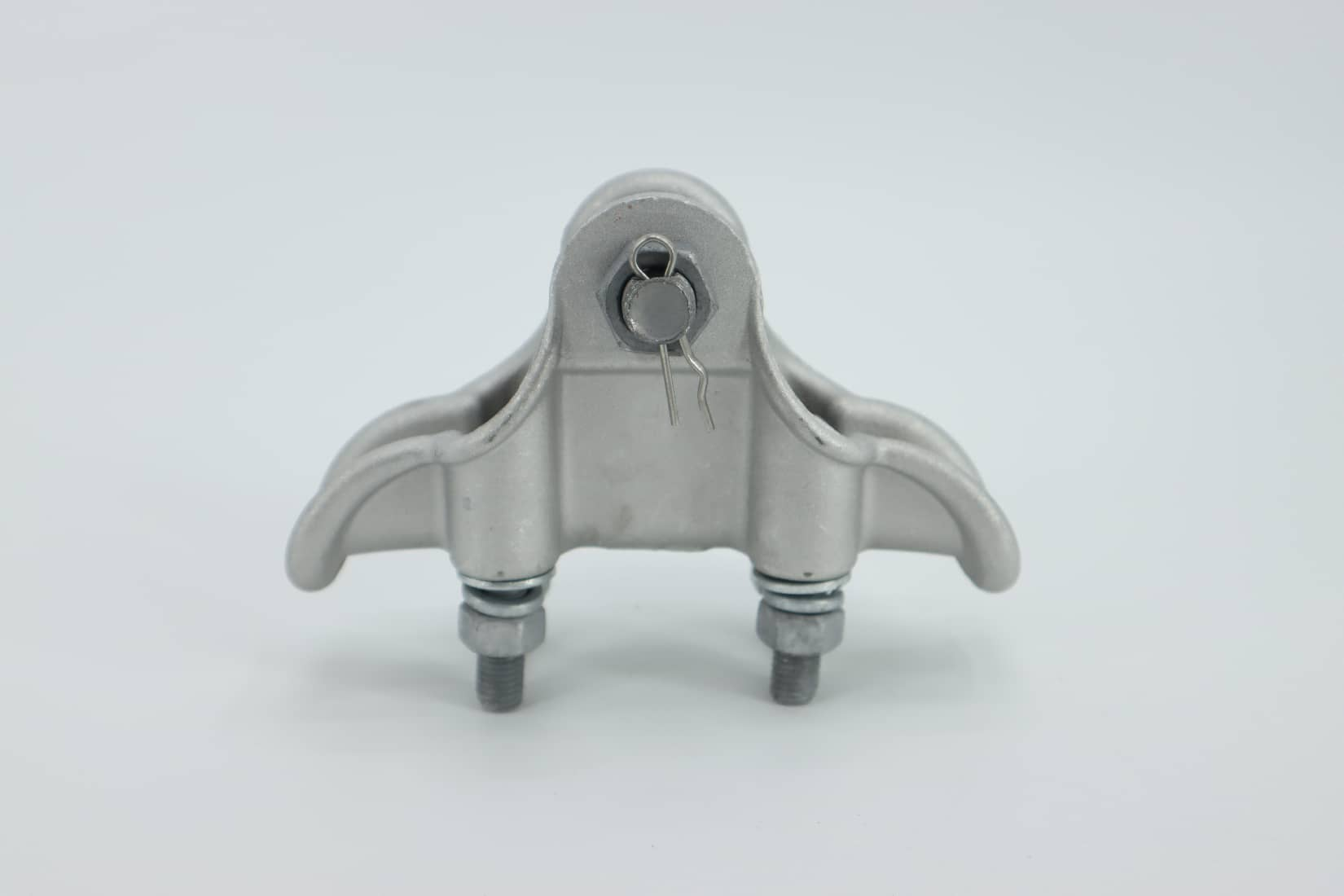
What Is a Suspension Clamp and Why It Matters in Piping Support
Suspension clamps are essential parts of any industrial setup, designed mainly to hold pipes, electrical conduits, and cables securely in place within factories, utilities, and other heavy duty environments. Made commonly from tough materials such as galvanized steel or aluminum alloys, these clamps fasten pipe systems onto various structural elements including ceilings, steel beams, and utility poles. They handle all sorts of challenges that come with industrial operations, from dealing with temperature changes causing expansion to absorbing vibrations and supporting weight fluctuations. Without proper suspension clamps, pipes would droop over time, get out of alignment, or develop cracks under stress. This makes them indispensable for maintaining system reliability in everything from electricity distribution networks to chemical plants and building ventilation systems where pipe stability matters most.
Not using the right clamps can lead to serious problems down the road. Pipes might shift during earthquakes, metal fatigue could cause leaks through corrosion, and each system shutdown costs around $740,000 according to Ponemon's 2023 report. Top manufacturers create suspension clamps that go above and beyond ASTM and ASME requirements, striking just the right balance between strength under tension and protection against rust. These components do much more than hold things together physically. They actually reduce dangerous situations, help pipes last anywhere from 15 to 20 extra years, and cut down on expensive repairs over time. For industries where risk is part of daily operations, such as energy production or heavy manufacturing, getting precision made clamps isn't something companies can skip if they want their systems to keep running smoothly when it matters most.
Key Design Factors That Define Suspension Clamp Performance
Load Capacity and Dynamic Stress Resistance
The reliability of suspension clamps really depends on how well they handle load capacity and manage dynamic stresses. According to various industry reports, most clamp failures in areas with lots of vibration happen because stress isn't distributed properly across the system. Three point support systems tend to work better than standard dual clamp arrangements since they spread out stress concentrations by around 35-40%, which means less chance of deformation when dealing with repeated loading cycles. Engineers running FEA simulations have found that even distribution of forces helps extend the lifespan of these components by avoiding those pesky fatigue spots that develop over time. When designing suspension systems, professionals need to account for not just the basic weight of pipes but also all those extra forces caused by things like temperature changes or unexpected ground movements during earthquakes.
Material Compatibility and Corrosion Resistance
The choice of materials really determines how long equipment will last, particularly in places where there's lots of corrosion happening, such as near the coast or inside chemical processing plants. Aluminum alloys are great because they're light and resist corrosion pretty well, whereas ductile iron can handle much more mechanical stress. Still, neither material works perfectly everywhere they need to go. When exposed to salt spray, things start breaking down faster than normal. Industry data shows that carbon steel left unprotected loses about half its strength after just five years in these environments. That's why many manufacturers look for materials that pass ISO 9227 salt fog tests when building stuff for tough conditions. When dealing with chemicals specifically, options like polymer coated components or stainless steel fittings become essential for stopping problems like pitting corrosion and those annoying galvanic reactions between different metals.
How to Select the Right Suspension Clamp for Your Application
Matching Clamp Type to Pipe Size, Weight, and Environment
Selecting the optimal suspension clamp requires matching three critical parameters to your piping system:
- Pipe dimensions: Measure outer diameter precisely—including insulation thickness. Undersized clamps cause compression damage; oversized ones permit dangerous movement.
- Weight load: Calculate total weight (pipe + contents + insulation) and apply a 1.5–2Ã safety factor. Dynamic stresses like water hammer or seismic loads must be included in load capacity calculations.
- Environmental conditions: For corrosive settings (e.g., coastal or chemical plants), specify 316 stainless steel or polymer composites. In extreme temperatures (–40°F to 300°F), verify material retains tensile strength without brittleness or deformation.
Mismatched clamps account for 23% of industrial pipe support failures (ASME B31.3 2022), underscoring the need for precision in these selections.
Certification Standards and Compliance Requirements
Always verify suspension clamps meet industry-specific certifications:
- ASTM F1548 for material integrity
- ISO 14692 for composite applications
- OSHA 1910.261 for workplace safety compliance
- ASME B31.1/B31.3 for process and power piping
Certified clamps undergo rigorous fatigue and corrosion testing, reducing failure risks by 34% compared to non-compliant alternatives (Piping Systems Institute 2023). Mandatory documentation includes mill test reports and pressure rating certificates. Non-compliance risks regulatory penalties and may void insurance coverage during incidents.
Installation Best Practices and Common Pitfalls to Avoid
Getting suspension clamps installed correctly is critical for keeping industrial piping systems intact when they're subjected to all sorts of operational stress. Applying the right amount of torque when tightening those fasteners stops pipes from getting bent out of shape, and making sure everything lines up properly keeps weight distributed evenly across the system. After installation, someone needs to double check where those clamps sit compared to how much the pipes might expand or contract with temperature changes. When expansion isn't accounted for, pipes start to wear out way too soon. A recent industry report highlighted just how important proper installation really is. According to Ponemon's 2023 findings, nearly seven out of ten piping support failures happen because people didn't install them right. That kind of mistake costs companies around $740,000 each time there's unexpected downtime.
Common pitfalls include:
- Undersizing clamps for dynamic loads, accelerating wear
- Neglecting vibration analysis, leading to stress fractures
- Improper spacing between supports, inducing sag or overstress
- Ignoring thermal dynamics, causing buckling at temperature extremes
Implementing a commissioning checklist that documents torque values, alignment tolerances, and thermal gap measurements mitigates these risks. For high-vibration zones, supplementary damping elements should accompany the suspension clamp system.
FAQ
What materials are suspension clamps made from?
Suspension clamps are typically made from tough materials like galvanized steel, aluminum alloys, or ductile iron. In corrosive environments, 316 stainless steel or polymer composites are often used.
Why is material compatibility important for suspension clamps?
The choice of materials affects the longevity and performance of the clamp, especially in corrosive environments such as coastal areas or chemical processing plants. Proper materials can prevent corrosion and mechanical failure.
How do I choose the right suspension clamp?
To choose the right suspension clamp, consider the pipe dimensions, the total weight load including dynamic stresses, and the environmental conditions where the clamp will be used.
What are the risks of not using proper suspension clamps?
Improper use of suspension clamps can lead to pipe misalignment, cracking under stress, or failure during events such as earthquakes, potentially leading to costly repairs and downtime.