EN
EN

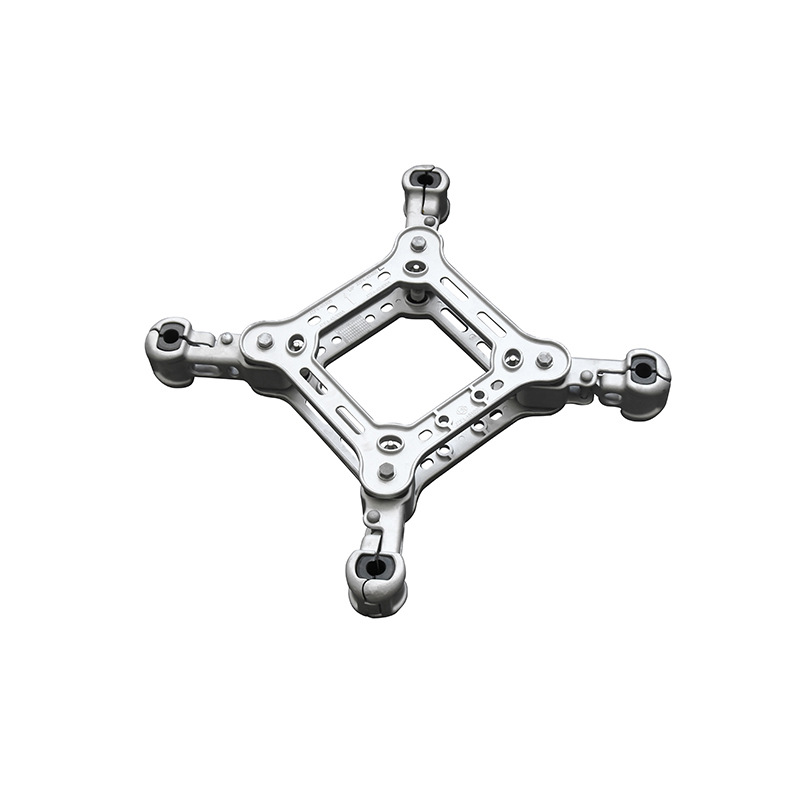
Material Science: Why Non-Metallic Spacers Excel in Wet Environments
Polymer-composite electrochemical stability in saltwater
The non metallic spacers are made from special polymer composites that really hold up well against electrochemical issues in marine settings. Metals tend to react badly with salt water through those galvanic reactions we all know about, which leads to rust and eventually breaks down the whole structure over time. These polymer alternatives have a molecular makeup that just doesn't let chloride ions get through them, something that's a major problem for reinforcing bars in concrete structures. Plus, they keep their shape even after sitting underwater for ages. Tests done in controlled environments that mimic actual ocean conditions show these spacers can last way beyond half a century in underwater applications according to most manufacturers, though some experts still question if real world performance will match lab results exactly.
Why galvanized metal spacers corrode faster than non-metallic alternatives in high-chloride zones
Metal spacers coated with zinc tend to fail much quicker when placed in areas rich in chloride ions, like near coastlines or on bridges where road salt accumulates. The protective zinc layer does help shield the steel underneath initially, but it gets worn away fast when exposed to saltwater mist or damp conditions. Research indicates these spacers corrode at about three times the rate compared to similar ones used inland. When the zinc protection finally gives way, the bare steel starts forming rust that expands and eventually cracks the surrounding concrete structures. Non-metal alternatives work differently altogether because they're made from special polymers that naturally resist water absorption (less than 0.8% uptake). These materials also stop the electrochemical reactions that cause corrosion in their tracks. Looking at actual installations in tidal areas shows a clear pattern too: most metal spacers need replacing every 7 to 10 years, whereas the plastic versions keep working properly well past twenty years of service.
Water-Resistant Engineering: Coatings and Nano-Modified Spacer Designs
Hydrophobic silane-siloxane coatings: boosting capillary break efficiency by 73%
New surface engineering techniques are making spacers perform much better when exposed to moisture. The latest hydrophobic coatings made from silane and siloxane create tiny barriers at the molecular level that push away water instead of letting it stick around. This means far less water gets drawn into materials through those microscopic channels we call capillaries. According to tests published in last year's Building Envelope Research Report, these special coatings boost how well materials resist water penetration by about three quarters over regular untreated surfaces. What does this actually mean for construction? Less salt and dirt builds up inside concrete structures, which keeps bridges standing longer, protects seawalls from erosion, and maintains the integrity of tunnels and other below ground works where moisture is always a problem.
Nano-modified polypropylene spacers: water absorption reduced to <0.8% (vs. 4.2% baseline)
Recent breakthroughs in material science have made materials much more resistant to moisture thanks to nano-level modifications. When manufacturers embed tiny silica particles into polypropylene, they create surfaces that repel water incredibly well. Water absorption drops down to less than 0.8%, which is about five times better than older materials that typically absorbed around 4.2%. The 2024 ASTM report confirms these findings. These specially treated materials stay stable even when exposed to water pressure for long periods. They also meet all the requirements set by ASTM standard C1712 for products that need to function underwater or in wet environments.
This dual strategy—surface engineering and bulk material modification—delivers spacers with uncompromised performance in tidal zones, wastewater facilities, and other high-moisture environments.
Real-World Validation: Long-Term Performance of Spacers in Immersed and Underground Applications
Hong Kong—Zhuhai—Macau Bridge: 8-year field performance of concrete spacers in marine exposure
The Hong Kong-Zhuhai-Macau Bridge stands as solid proof of how well non-metallic spacers hold up against harsh marine environments. After opening back in 2018, these polymer composite spacers sitting underwater have been dealing with constant saltwater exposure, regular tidal movements, and chlorine levels way above normal at around 35,000 parts per million. Inspections after several years show absolutely no signs of corrosion problems, and the 50mm concrete cover remains intact on every supporting structure throughout the bridge. This is quite different from what happened when similar tests were run on metal alternatives in lab settings where they started showing pits much earlier. What we see here gives engineers confidence about using these materials in other coastal infrastructure projects facing similar challenges.
- 98% retention of compressive strength after eight years of exposure
- <0.5mm dimensional variation despite repeated wet-dry cycling
- No measurable chloride penetration at concrete-spacer interfaces
Dimensional stability under hydrostatic pressure: meeting ASTM C1712 for underground infrastructure
For buried infrastructure, spacers must resist deformation under sustained hydrostatic loads. Rigorous testing per ASTM C1712 confirms non-metallic spacers maintain critical dimensional tolerances when subjected to pressure equivalents of a 15-meter waterhead. Validation findings include:
- ±0.2% volumetric expansion after 500-hour pressure cycling
- 100% compliance with rebar positioning tolerances in immersed tunnel segments
- Zero water-pathway formation at concrete-spacer interfaces
These results confirm reliable long-term performance in wastewater treatment plants, subsea pipelines, and other pressurized environments—where dimensional stability directly prevents structural compromise and ensures design-life integrity.
FAQs
-
Why are non-metallic spacers preferred over metal spacers in wet environments?
Non-metallic spacers, made from special polymer composites, resist electrochemical reactions and chloride ions better than metals, preventing corrosion and structural degradation in wet conditions.
-
How do hydrophobic coatings enhance spacer performance?
Hydrophobic coatings, like those made from silane and siloxane, push away water at the molecular level, reducing water absorption in materials and prolonging their integrity.
-
What advantages do nano-modified polypropylene spacers offer?
These spacers have significantly reduced water absorption rates due to embedded silica particles, offering greater resistance to moisture compared to traditional materials.
-
Are non-metallic spacers validated for real-world applications?
Yes, studies and real-world projects, such as the Hong Kong–Zhuhai–Macau Bridge, demonstrate that non-metallic spacers can maintain structural integrity and resist corrosion in harsh marine environments.