EN
EN

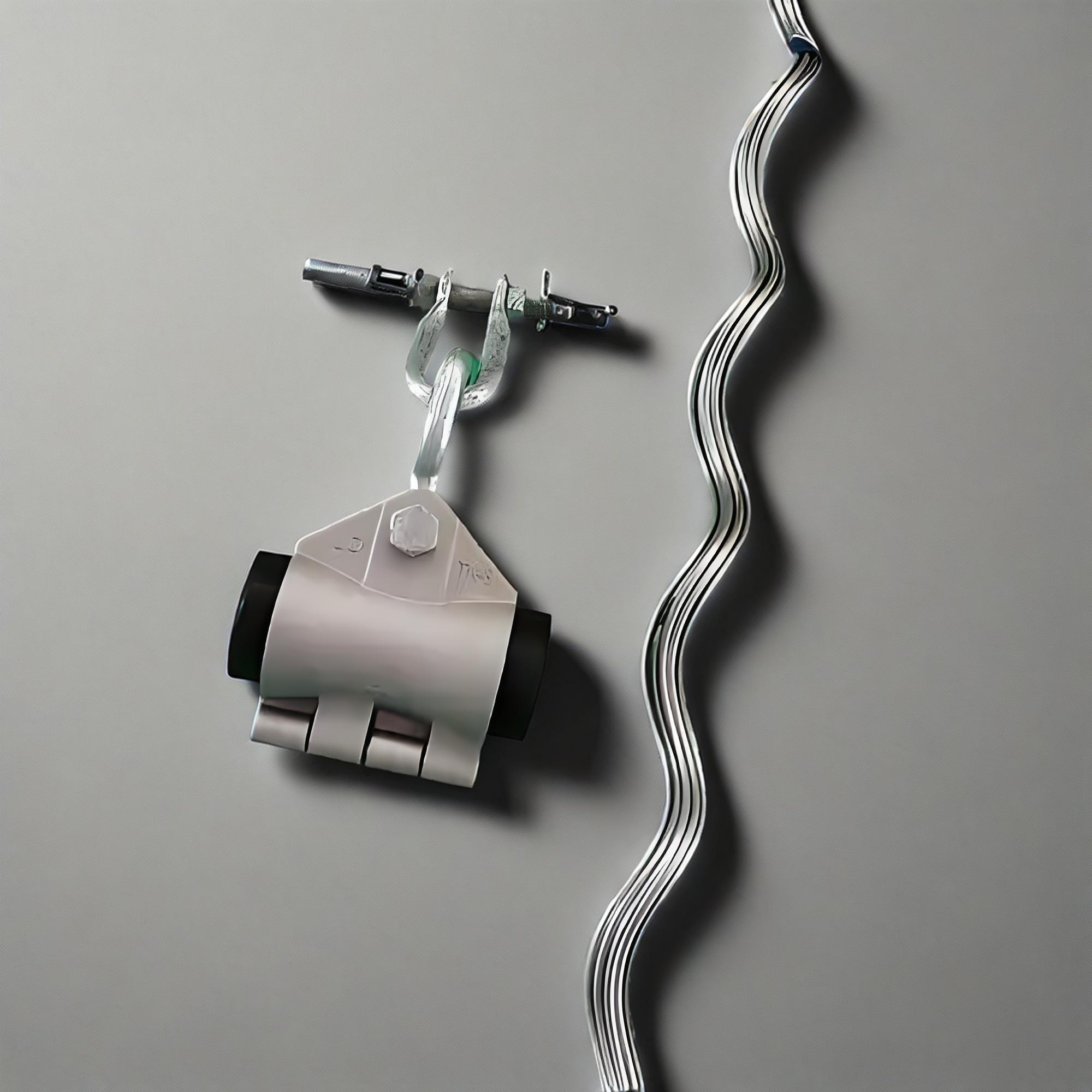
Scheduled Inspections and Digital Documentation for Power Line Fittings
Optimal Inspection Frequency and Scope by Fitting Type
Having specific inspection plans really helps stop those early failures in power line fittings before they become major problems. For suspension clamps, we generally check them twice a year looking at any signs of wear on the conductors and checking for corrosion spots. High stress splices get looked at every three months using infrared scanning equipment to spot those pesky heat points that could lead to trouble. And down near the coast where salt air does its damage, transmission dead ends need their salinity levels checked about every six months according to standards set out in IEEE 1249. Some interesting numbers came out of a study last year from the Energy Reliability folks showing that companies who switched to these smarter inspection schedules actually cut down on fitting failures by almost 40%. When deciding what gets attention first, it makes sense to focus more on components that matter most to keeping the whole system running smoothly.
| Fitting Type | Critical Defects | Primary Inspection Method | Frequency |
|---|---|---|---|
| Compression Splices | Thermal runaway, strand breakage | Infrared thermography | Quarterly |
| Vibration Dampers | Loose weights, elastomer cracking | Drone-assisted visual | Biannual |
| Insulator Strings | Cracking, contamination tracking | UV corona imaging | Annual |
Cloud-Based Documentation and Asset Tracking Systems
Grid maintenance these days relies heavily on central digital systems instead of those old fashioned paper logs that were so prone to mistakes. The new platforms automatically log all sorts of information during inspections including torque readings and resistance measurements, which builds detailed records for each individual asset over time. Operators can now see real time dashboards showing things like how corrosion spreads or changes in vibration levels across literally thousands of connection points throughout the network. Keeping track this way isn't just good practice it's actually required under NERC CIP standards. Plus, companies report saving almost 60% of their documentation time when switching to these automated systems, per a study published last year in Grid Operations Journal. When sensors detect something outside normal parameters, they send automatic warnings so technicians can jump in early before small problems turn into major headaches for the whole system.
Environmental Protection of Power Line Fittings
Extreme weather and corrosive environments accelerate degradation of power line fittings—making proactive protection non-negotiable. Unprotected components in coastal regions fail up to 70% faster than inland equivalents due to salt exposure (Transmission Engineering Journal, 2023), highlighting the urgency of engineered safeguards.
Corrosion-Resistant Coatings and Hermetic Sealing Solutions
Zinc-aluminum alloy coatings provide sacrificial protection that extends service life by 15–20 years in humid climates. Triple-layer epoxy systems resist chemical exposure near industrial zones, while hermetic seals eliminate moisture ingress at conductor junctions. Key applications include:
- Coastal splice cases with marine-grade anodization
- Polymer-coated tower connectors that suppress electrochemical reactions
- Compression fittings with O-ring seals rated for operation from −40°C to 120°C
Vibration Damping and Dust-Resistant Design for Harsh Environments
Aeolian vibration induces micro-fractures in unsecured fittings, reducing fatigue strength by 40% over a decade. Effective countermeasures include:
- Tuned mass dampers that absorb wind-induced oscillations
- Elastomeric sleeves that dissipate harmonic energy
- Labyrinth-sealed bearings that exclude airborne particulates
- Sand-resistant geometries featuring self-cleaning angles and hardened surfaces
Dual-coated aluminum fittings with integrated dampers achieved 92% reliability after 15 years in desert installations (Grid Resilience Report, 2024)—demonstrating how purpose-built design overcomes environmental extremes.
Ensuring Electrical Connection Integrity in Power Line Fittings
Cleaning, Torque Verification, and Contact Resistance Testing Protocols
Electrical connection failures in power line fittings account for over 32% of unplanned outages (Energy Grid Journal, 2023). To prevent thermal runaway, flashovers, and mechanical collapse, utilities rely on three rigorously defined protocols:
- Contaminant removal using non-abrasive solvents to eliminate oxidation on conductor surfaces
- Precision torque application, calibrated to ±3% tolerance against manufacturer specifications
- Micro-ohm resistance testing, with thresholds set at ₤50Ω to detect subsurface flaws invisible to visual inspection
| Protocol | Primary Risk Mitigated | Industry Standard |
|---|---|---|
| Surface Cleaning | Arc flash events | IEEE 1658 |
| Torque Verification | Joint loosening from vibration | IEC 61284 Annex C |
| Resistance Testing | Thermal degradation | ASTM B539 |
Proactive execution of these protocols reduces failure risk by 63% and cuts average outage costs by $740k per incident (Ponemon Institute, 2023). Annual calibration of test equipment ensures diagnostic fidelity—particularly vital during extreme weather when grid stress peaks.
Compliance with Industry Standards for Power Line Fittings Maintenance
Following the major industry standards like IEC, IEEE, ANSI, and NERC forms the bedrock for avoiding major system failures and keeping the power grid reliable over time. These standards actually set requirements for how durable materials need to be, how precise installations should be done, and what kind of environmental conditions equipment must withstand. They help prevent serious problems such as structures failing under stress or electrical arcs jumping where they shouldn't. The regulatory bodies want proof that these standards are being met through things like torque measurements recorded properly, regular checks for corrosion damage, and tests showing how equipment performs in different environments. If companies don't follow these rules, they could face fines well over seven hundred forty thousand dollars for each violation according to research from Ponemon Institute back in 2023. Power companies that stick to regular maintenance plans instead of just fixing things when something breaks down see their chances of service interruptions drop by nearly two thirds compared to those who take a more haphazard approach.
Key compliance pillars include:
- Material Certification: Use only fittings meeting ASTM galvanization and tensile strength thresholds
- Installation Validation: Mandatory torque verification using calibrated tools traceable to NIST standards
- Environmental Testing: Salt-fog resistance validation per ASTM B117 for coastal deployments
- Documentation Audits: Secure, cloud-based logs of inspection history accessible to regulators and auditors
Proactive alignment with evolving requirements—such as NERC CIP-014’s physical security mandates—avoids costly retrofits while safeguarding public safety through consistent load-bearing performance. Third-party certification of maintenance crews further strengthens EEAT credibility, establishing verifiable safety trails from inspection through remediation.
Frequently Asked Questions (FAQs)
-
Why is regular inspection of power line fittings necessary?
Regular inspections help detect early signs of wear and corrosion, preventing major failures and reducing failures by up to 40%. -
What technologies are used for inspecting power line fittings?
Inspections employ infrared thermography, drone-assisted visuals, and UV corona imaging depending on the fitting type. -
How does cloud-based documentation benefit grid maintenance?
It streamlines documentation, ensures compliance with standards, and saves up to 60% of documentation time. -
What protective measures are taken for power line fittings in corrosive environments?
Zinc-aluminum alloy coatings, hermetic seals, and triple-layer epoxy systems are used to extend service life.