EN
EN

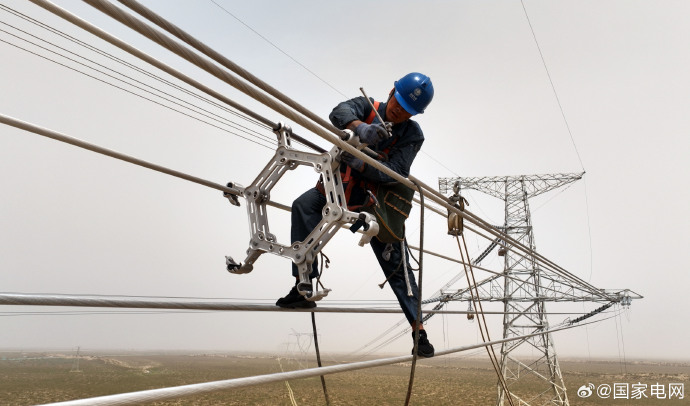
Core Functions of Spacers in Power Transmission Systems
Maintaining Conductor Separation and Alignment
Spacers ensure consistent separation between conductors, preventing phase-to-phase contact caused by wind, ice, or thermal expansion—movements that can exceed 2 meters in extreme conditions (Electric Power Research Institute, 2020). This stability reduces short circuits and cuts fault-induced outages by 34% across transmission networks.
Distributing Mechanical Loads and Reducing Stress
Spacers redistribute dynamic mechanical stresses from conductor weight, wind, and temperature changes across multiple suspension points. This reduces stress on individual insulator strings by 40–60%, minimizing the risk of tower failures due to unbalanced tension, a factor in 19% of annual grid infrastructure collapses (IEEE Report, 2023).
Enhancing System Reliability and Operational Performance
| Reliability Metric | With Spacers | Without Spacers |
|---|---|---|
| Annual Outage Hours | 0.8 | 4.2 |
| Maintenance Cycles | 18 months | 6 months |
| By stabilizing conductor geometry, spacers reduce insulator wear and connection point corrosion. Utilities report a 22% decline in corrective maintenance costs following spacer retrofitting. |
Supporting Bundle Conductor Configurations in High-Voltage Lines
In 400 kV+ systems, bundle conductors—groups of 2–8 parallel wires—require spacers to maintain sub-conductor gaps of 30–50 cm. This design reduces corona losses by 58% compared to single-conductor setups (CIGRE, 2021). Spacers also suppress Aeolian vibrations in long-span bundled lines, enhancing durability over distances exceeding 300 km.
Types of Spacers: Polymer, Metal, and Composite Materials
Polymer Spacers: Lightweight Insulation and Environmental Resistance
Polymer spacers have become pretty standard in today's installations because they offer good electrical insulation and won't corrode over time. These materials weigh around 30 to 50 percent less than their metal counterparts, which means less strain on support structures like towers. Since they don't conduct electricity, there's no risk of dangerous arcing happening. The newer versions can handle extreme temperatures ranging from minus 40 degrees Celsius all the way up to plus 120 degrees, plus they stand up well against UV damage too. According to some recent findings published by Torque News in 2024, these polymer components maintain about 95% of their original dielectric strength even after sitting out in harsh coastal conditions for fifteen whole years.
Metal Spacers: Structural Strength vs. Electrical Conductivity Risks
Metal spacers have impressive mechanical strength, up to 4-8 times what polymer alternatives can handle, which makes these components ideal for areas prone to strong winds where conductor galloping becomes an issue. Most often found in low voltage setups with good insulation properties, modern versions made from aluminum or steel come with special protective layers that help them last well beyond 25 years when installed in arid regions. The downside though? Their conductive nature means installers need to be extra cautious during setup to prevent any accidental short circuits down the line.
Composite Spacers: Combining Durability and Electrical Insulation
Composite spacers integrate polymer resins with fiberglass or ceramic reinforcements, balancing dielectric performance and mechanical resilience. They withstand up to 20 kN of tensile load while blocking stray currents—essential for 400 kV+ lines. Field trials indicate a 73% reduction in vibration-induced failures compared to all-metal designs.
Material Selection Based on Climate and Installation Environment
| Factor | Polymer | Metal | Composite |
|---|---|---|---|
| Ideal Temperature | -40°C to +120°C | -20°C to +80°C | -50°C to +150°C |
| Humidity Resistance | Excellent | Moderate | High |
| Ice Load Capacity | 1.2 kN/m | 3.5 kN/m | 2.8 kN/m |
Engineers select polymer spacers for corrosive coastal areas, metal for heavy ice regions (with insulation safeguards), and composites for environments with extreme temperature swings. Annual inspections align material performance with regional climate models to prevent premature failure.
Safety and Electrical Performance: Preventing Arcing and Interference
Preventing Electrical Arcing and Short Circuits Through Proper Spacer Use
Spacers maintain critical air gaps of 150–300 mm between conductors, preventing contact during high winds or thermal expansion. This reduces short-circuit risks by 62% compared to unspaced configurations. Routine inspections for wear and contamination address key contributors to 34% of arc-related grid failures.
Controlling Corona Discharge and Electromagnetic Interference
Polymer spacers with ribbed surfaces dissipate corona discharge 40% more effectively than smooth metal types, significantly reducing electromagnetic interference (EMI) on nearby communication lines. Field tests at 765 kV show a 28 dB reduction in EMI when using non-conductive spacers with optimized geometries.
Balancing Spacer Reliance with Overall Insulation Coordination
While spacers enhance safety, they should not compensate for degraded insulation. Best practices include:
- Annual insulation resistance testing (target: >1,000 MΩ/km)
- Infrared thermography to detect "hot spots" between spacers
- Clearance verification with 15–20% safety margins beyond rated levels
Statistical Impact of Spacers on Grid Safety and Fault Reduction
A 2023 industry analysis of 48,000 transmission line miles revealed that spacer-equipped systems experience 57% fewer weather-related faults and 41% fewer insulator string replacements. Predictive maintenance strategies incorporating spacer condition monitoring reduced arc flash incidents by 33% in high-risk corridors.
Additional Engineering Benefits of Spacers in Power Systems
Vibration Damping and Suppression of Conductor Galloping
Spacers dampen aeolian vibrations from wind, reducing dynamic stress by 30–60% (IEEE Power Studies, 2023). In bundled conductors, they prevent galloping—a large-amplitude oscillation responsible for 12% of weather-related outages. Strategic placement creates mechanical nodes that dissipate energy across spans, protecting tower integrity.
Accommodating Thermal Expansion in Dynamic Operating Conditions
Composite spacers with elastomeric components absorb thermal shifts from -40°C to 80°C, maintaining stable conductor geometry during load changes. This prevents sag variations exceeding 15 cm in 400 kV lines, which could otherwise lead to vegetation contact and faults.
Extending Insulator String Lifespan by Reducing Mechanical Stress
Spacers redirect bending forces away from insulators, reducing stress concentrations in porcelain units by 27% (EPRI Mechanical Loading Report). Field data shows a 20% decrease in insulator replacement rates when spacers are used in high-tension dead-end configurations.
Emerging Trend: Smart Spacers with Integrated Monitoring Sensors
Next-generation spacers embed IoT-enabled strain gauges and temperature sensors, delivering real-time load and condition data. Pilot programs demonstrate these devices predict 73% of impending hardware failures 8–12 hours before critical thresholds are breached.
Applications of Spacers Across Transmission Lines, Substations, and Transformers
Spacer Use in Bundled Conductors for Long-Distance Transmission
Spacers maintain separation in high-voltage bundled conductors, preventing contact between subconductors and reducing electrical losses. In lines exceeding 230 kV, proper spacer deployment lowers fault rates by 28% during extreme wind events, according to a 2023 Grid Stability Study.
Design Adaptations for Substation Busbars and Switchgear
Substation spacers are engineered to endure higher electromagnetic forces and thermal cycling than overhead line counterparts. Composite designs address uneven load distribution in busbar systems, while advanced polymers resist salt corrosion and maintain over 100 MΩ insulation resistance—key improvements for retrofitting aging coastal substations.
Specialized Spacers in Transformer Bushings and Critical Connections
Precision spacers in transformer bushings ensure concentric alignment between insulation layers and conductive cores, blocking oil contamination paths and preventing dielectric breakdown—a factor in 19% of transformer outages. Innovations like silicone-rubber spacers with stress-grading layers have extended service intervals by 40% in high-load urban substations.
FAQs
What are the main functions of spacers in power transmission systems?
Spacers maintain conductor separation and alignment, distribute mechanical loads, enhance system reliability, and support bundle conductor configurations.
How do spacers prevent electrical issues?
Spacers prevent electrical arcing and short circuits by maintaining critical air gaps between conductors, reducing the risk of faults.
Why choose polymer spacers over metal ones?
Polymer spacers offer excellent electrical insulation and environmental resistance, making them suitable for corrosive environments without the risk of arcing associated with metal spacers.
What are the benefits of using smart spacers?
Smart spacers embed sensors for real-time condition monitoring, helping predict hardware failures and improve maintenance strategies.
Table of Contents
- Core Functions of Spacers in Power Transmission Systems
- Types of Spacers: Polymer, Metal, and Composite Materials
- Safety and Electrical Performance: Preventing Arcing and Interference
- Additional Engineering Benefits of Spacers in Power Systems
- Applications of Spacers Across Transmission Lines, Substations, and Transformers
- Spacer Use in Bundled Conductors for Long-Distance Transmission
- Design Adaptations for Substation Busbars and Switchgear
- Specialized Spacers in Transformer Bushings and Critical Connections
- FAQs