EN
EN

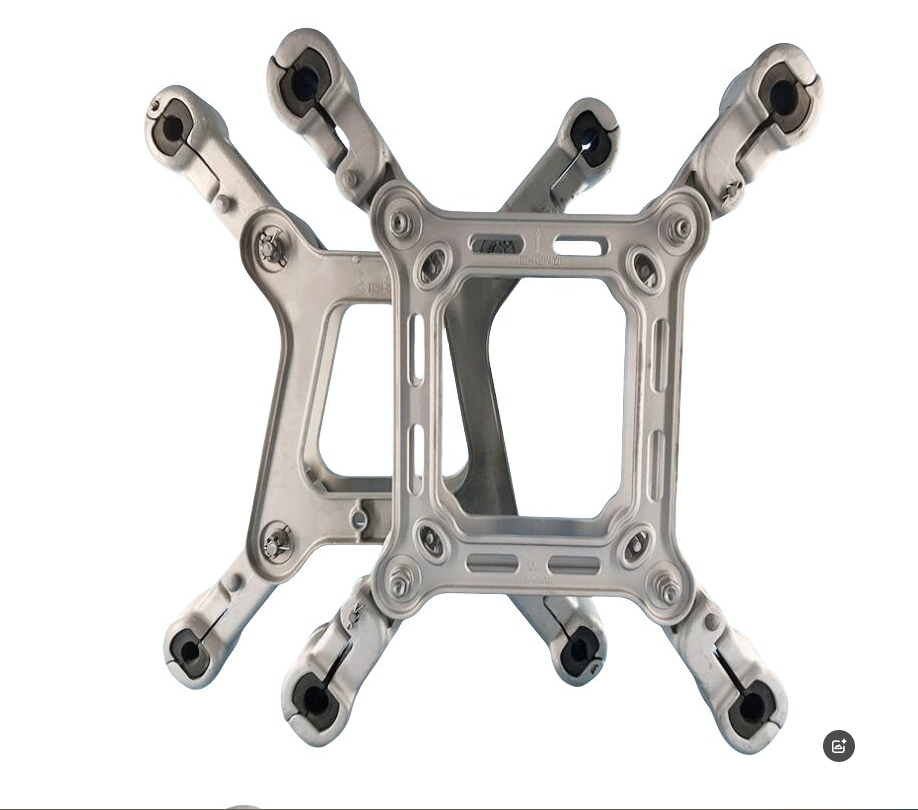
Understanding the Role of Spacers in Overhead Power Cable Systems
What Are Phase Spacers in Aerial Cable Installation?
Phase spacers are non-conductive components that maintain fixed distances between conductors in aerial power lines. These devices prevent conductor clashing, which reduces arc-flash risks by 42% in high-wind conditions (IEEE 1607-2023). Made from composite polymers or reinforced plastics, spacers balance mechanical strength with electrical insulation properties.
The Function of Spacer Cable Systems in Maintaining Conductor Separation
Spacer cable systems keep conductors properly spaced apart, which is really important for stopping electromagnetic interference problems. These systems also cut down on ice-induced galloping by around 35%, according to research from CIGRE in 2022. Another benefit is that they allow for tighter line designs, meaning companies need less space for their power lines. Companies such as Marmon Utility have shown just how reliable spacer cables can be in areas where wildfires are common. Their systems maintain conductor spacing between 12 to 18 inches even when temperatures get extremely hot or cold, something that makes a big difference during fire season when safety margins matter most.
Electrical Requirements Influencing Spacer Design
Spacer configurations adapt to two key electrical factors:
| Voltage Level | Spacer Material | Separation Distance |
|---|---|---|
| ≤69 kV | Polymer | 8–12 inches |
| 115–230 kV | Fiberglass | 14–22 inches |
| ≥345 kV | Silicone Composite | 24–36 inches |
Current-carrying capacity dictates spacer thermal tolerance, with IEC 61936 requiring 90°C continuous operation ratings for most transmission applications.
Why Proper Spacer Selection Enhances System Safety and Performance
When spacers are properly sized, they cut down on power outages by about 30% when compared to those that are too small according to research in CIGRE Technical Brochure 876. Field tests conducted by EPRI in 2023 found some interesting results for systems equipped with spacers matched to their voltage needs. Maintenance expenses dropped around 27%, while insulators lasted nearly 19% longer before needing replacement. Plus these setups naturally met all the latest NESC 2023 clearance standards without extra modifications. The reason behind this improved performance? Simply put, there's better harmony between how strong the spacers are built to be and what kind of electrical strain they actually face during normal operation.
Mechanical and Environmental Durability of Spacer Materials
Impact Resistance and Mechanical Load Capacity in Spacer Performance
Materials used for spacers need to handle all sorts of mechanical stress on a daily basis. Think about things like ice buildup, those annoying conductor vibrations, and random impacts from unexpected sources. Most engineers today go with high performance polymers or fiber reinforced composites because these materials can handle tensile forces well above 80 MPa as noted in the 2023 study on composite durability in marine settings. Before deployment, manufacturers run extensive tests that mimic what actually happens out there in the field. They simulate situations where branches fall onto lines or debris gets thrown around during storms. The goal is simple but critical: keep conductors separated even when subjected to loads that are 1.5 times higher than their normal capacity ratings. This kind of thorough testing makes all the difference in maintaining system integrity over time.
Spacer Behavior Under Short-Circuit Conditions: Insights from IEEE Standards
Electrical faults generate instantaneous forces up to 5 kN between conductors. IEEE 1658-2022 mandates spacers retain structural integrity during short-circuit events lasting ≤200 ms, with temperature rises not exceeding 160°C in metallic components. Manufacturers now use arc-resistant ceramics and self-extinguishing polymers to prevent cascading failures in fault conditions.
Environmental Resilience: Wind, Temperature Extremes, UV Exposure, and Corrosion Resistance
Field studies show coastal installations require spacers with ≤0.05 mm/year corrosion rates and UV stabilizers maintaining 90% tensile strength after 25 years. A 2024 materials analysis revealed halogen-free compounds outperform traditional EPDM rubber by 40% in salt-fog tests, while aerogel-infused designs reduce thermal expansion mismatch between aluminum conductors and polymer spacers.
Balancing Flexibility and Structural Integrity in Modern Spacer Materials
New spacer materials can bend up to about 65 degrees before showing any lasting damage, which is really important in areas prone to earthquakes. The latest hybrid spacers mix glass fiber centers with silicone coatings on the outside. This combination gives them enough toughness to handle 345 kV power lines while still letting them adjust when there are height differences along the route, roughly 30 degrees every 100 feet or so. According to research published last year in Multiscale Materials Modeling, these improvements have cut down on failures caused by spacers themselves by around three quarters compared to what was common back in the early 2010s. That kind of reliability makes all the difference in maintaining stable electrical networks.
Types of Spacers: Rigid, Flexible, and Hybrid Spacer Systems
Rigid Spacers for High-Voltage Transmission Line Stability
Rigid spacers are engineered for high-voltage applications (typically 66 kV and above) where conductor stability is critical. They maintain fixed phase separation, preventing arcing and minimizing EMI. Constructed from reinforced polymers or composites, they withstand mechanical loads up to 8 kN without deformation, as outlined in IEC 61284 standards. Their robust design suits long-span installations on straight-line tower configurations.
Flexible Spacer Systems for Dynamic and Seismic-Prone Environments
Flexible spacers incorporate elastomeric joints and pivoting clamps to absorb wind, thermal, and seismic vibrations. Field data shows they reduce conductor fatigue by 40% in earthquake-prone areas. With angular movement capabilities up to 15° per joint, they maintain electrical clearances per IEEE 524 guidelines while accommodating dynamic shifts.
Hybrid Spacer Solutions Combining Strength and Adaptability
Hybrid spacers integrate rigid crossarms with flexible damping elements, achieving load capacities over 12 kN and up to 20% energy dissipation. Innovations include composite cores with embedded fiberglass reinforcement, allowing compliance with both IEC 62219 mechanical standards and ANSI O5.1 electrical criteria. These units are increasingly used in coastal regions needing corrosion resistance and storm resilience.
Industry Trend: Adoption of Modular and Pre-Assembled Spacer Cable Systems
Modular spacer kits reduce installation time by 30% through pre-configured bracketing that snaps onto messenger wires. Leading suppliers offer UV-stabilized polycarbonate units with standardized clamp interfaces, eliminating the need for custom machining. This trend supports grid-hardening initiatives by minimizing infrastructure downtime during upgrades.
Matching Spacer Selection to Cable Characteristics and Project Requirements
Aligning Spacer Specifications with Conductor Diameter, Weight, and Type
Getting the right size spacers for conductors is really important if we want things installed properly and prevent any problems down the road. When conductors are too big for their spacers, this creates extra strain on the system. According to research from IEEE 1542-2022, mismatched sizes can actually boost mechanical stress by as much as 28%. On the flip side, putting smaller cables into larger spacers just asks for trouble since they tend to slip out. Take those 1.5 inch ACSR conductors for instance. They need spacers that apply at least 450 pounds of force to hold them steady even when there's a good breeze blowing around at about 50 miles per hour. That kind of stability matters a lot in real world conditions where weather isn't always predictable.
Material Compatibility Between Spacers and Cables to Prevent Degradation
When it comes to XLPE insulated cables, polymer spacers actually cut down on galvanic corrosion problems by around 63 percent when compared with metal options according to the National Electrical Safety Code from 2023. There are several important things to consider regarding compatibility though. First off, thermal expansion coefficients need to match pretty closely, ideally keeping differences below 0.12 mm per meter for high voltage systems. The UV stabilizers in both the spacer material and cable jacket should also be compatible chemically. And don't forget about dielectric strength requirements either these need to be above 15 kV per centimeter specifically for medium voltage applications where safety margins matter most.
Installation Guidelines: Optimal Spacing Every 30 to 40 Feet on Messenger Wire
Field trials show 35-foot spacing intervals reduce aeolian vibration damage by 19% compared to irregular layouts (EPRI 2022). Best practices include pre-tensioning messenger wire to 20% of rated strength, aligning spacers perpendicular to the conductor axis (±2° tolerance), and torquing bolts to 25 N·m for composite models.
Urban vs. Rural Applications: Leveraging Existing Poles and Avoiding Infrastructure Overhaul
Urban deployments using existing utility poles reduce installation costs by $18k/mile versus new pole construction. In rural settings, wide-span spacers (80+ feet) cut support structure needs by 47%. Both require spacers with UV ratings exceeding 10,000 hours to ensure a 20-year service life.
Installation Best Practices and Safety Protocols for Spacer Systems
Step-by-Step Aerial Cable Installation Using Spacer Systems
Begin with a site assessment to verify messenger wire integrity and calculate spacer intervals (typically 30–40 feet). Install corrosion-resistant brackets using torque-controlled tools, then attach spacers while maintaining parallel conductor alignment. For multidirectional runs, follow the modular spacer system design guide to prevent sagging and ensure uniform tension.
Safety Measures During Insulator and Bracket Component Installation
Workers must wear voltage-rated gloves and arc-resistant PPE when handling live lines. De-energized systems require lockout-tagout verification per OSHA 29 CFR 1910.269. Fall protection harnesses are essential for elevated work, and insulators should be inspected for cracks or contamination before assembly.
Training Field Crews on Configuration-Specific Assembly Techniques
Conduct bi-annual training covering spacer torque limits, seismic-rated hardware, and dynamic conductor behavior. Use 15–35 kV test setups in field simulations to build proficiency in tensioning and vibration control techniques.
Ensuring Long-Term Reliability Through Proper Installation and Inspection
Use infrared thermography during annual inspections to detect hot spots from improper spacing. Select corrosion-resistant aluminum alloys and UV-stabilized polymers to extend service life in harsh environments. After storms, follow IEEE 1560-2022 guidelines for mechanical load testing to verify structural integrity.
FAQ Section
What materials are typically used for phase spacers?
Phase spacers are commonly made from composite polymers or reinforced plastics due to their balance of mechanical strength and electrical insulation properties.
How do spacer systems prevent conductor clashing?
Spacer systems maintain fixed distances between conductors, ensuring proper alignment and minimizing the risk of conductor clashing during high-wind conditions.
What factors influence spacer design?
Spacer design is influenced by voltage level, spacer material, and separation distance, which correspond to specific electrical requirements.
How do spacer systems enhance safety and performance?
Properly sized spacers decrease power outages and maintenance expenses, while effectively meeting clearance standards, thereby enhancing safety and performance.
What are the best practices for spacer installation?
Optimal spacing, proper alignment, and the use of corrosion-resistant materials are key practices for effective spacer installation.
Table of Contents
- Understanding the Role of Spacers in Overhead Power Cable Systems
-
Mechanical and Environmental Durability of Spacer Materials
- Impact Resistance and Mechanical Load Capacity in Spacer Performance
- Spacer Behavior Under Short-Circuit Conditions: Insights from IEEE Standards
- Environmental Resilience: Wind, Temperature Extremes, UV Exposure, and Corrosion Resistance
- Balancing Flexibility and Structural Integrity in Modern Spacer Materials
- Types of Spacers: Rigid, Flexible, and Hybrid Spacer Systems
- Rigid Spacers for High-Voltage Transmission Line Stability
- Flexible Spacer Systems for Dynamic and Seismic-Prone Environments
- Hybrid Spacer Solutions Combining Strength and Adaptability
- Industry Trend: Adoption of Modular and Pre-Assembled Spacer Cable Systems
-
Matching Spacer Selection to Cable Characteristics and Project Requirements
- Aligning Spacer Specifications with Conductor Diameter, Weight, and Type
- Material Compatibility Between Spacers and Cables to Prevent Degradation
- Installation Guidelines: Optimal Spacing Every 30 to 40 Feet on Messenger Wire
- Urban vs. Rural Applications: Leveraging Existing Poles and Avoiding Infrastructure Overhaul
- Installation Best Practices and Safety Protocols for Spacer Systems
- FAQ Section