EN
EN

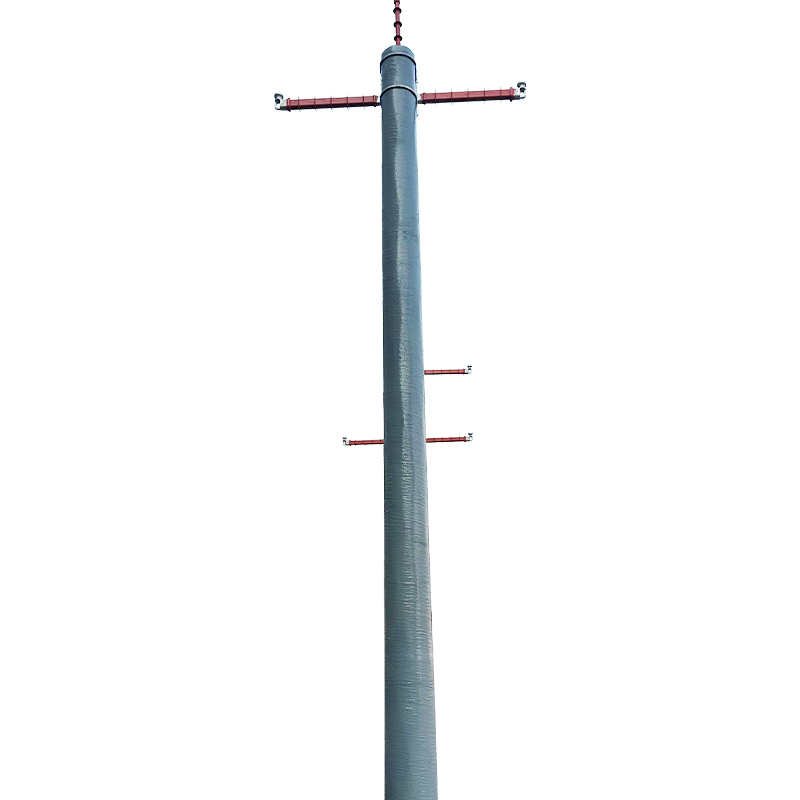
Understanding Utility Pole Requirements for High-Voltage Transmission
Structural Load and NESC Compliance Essentials
Utility poles supporting high voltage transmission lines need to handle serious structural stress according to rules set by the National Electrical Safety Code (NESC). The code actually sets specific safety requirements for different types of loads. Vertical stuff like conductors and transformers plus sideways forces from wind and ice all matter. Take wind for example NESC wants poles in certain areas to stand up to winds over 90 mph that might happen once every 50 years. Ground line moment capacity is another big deal too because poles have to deal with unexpected movement from things like conductor galloping or sudden surges during faults. What material gets used makes a real difference when it comes to following these rules. Steel poles are basically better at handling tension so they work well across rivers or long stretches between supports. Engineered wood still makes sense though for shorter distances where conditions are predictable and costs need to stay down. When companies ignore these standards bad things happen. Just look at what occurred in the Midwest last year when wooden poles couldn't handle the weight of accumulated ice and fell over causing around $740k worth of damage to the power grid according to a report from Ponemon Institute in 2023.
Environmental Risk Mapping: Wind, Ice, and Corrosion Zones
The way we design utility poles gets shaped quite a bit by geographic risks mapped out through environmental assessments. Along coastlines especially, engineers need materials that can handle salt air corrosion problems. That's why many coastal installations use things like hot dipped galvanized steel or those fiber reinforced polymer poles these days. Up in places where heavy ice builds up, such as much of the Northeastern US, poles actually have to hold about five times more weight when ice accumulates on them. This was definitely a problem during last year's big power outage in Vermont. The wind zones defined in ASCE 7-22 standards really affect how far apart poles are placed, their heights, and how deep foundations need to go into the ground. For areas classified under Category IV hurricane zones, companies typically install poles with extra strong concrete bases. Many utilities are turning to LiDAR technology now to scan terrains and spot tiny corrosion spots or areas prone to stress issues. This helps them pick better materials upfront rather than fixing problems later. According to Energy Grid Journal research from 2023, this proactive approach cuts long term maintenance costs by around 19 percent compared to just reacting after damage occurs.
Comparing Utility Pole Materials: Steel, Aluminum, and FRP
Lifecycle Cost and Performance Trade-offs Across 40 Years
When choosing transmission poles, it's important to think about how they'll perform over time rather than focusing only on what something costs at first glance. Steel is strong but needs special coatings and regular checks which can push its lifetime expenses up by around 15 to 20 percent over sixty years. Aluminum doesn't rust and makes installation easier for workers, though it isn't stiff enough for places where winds blow hard or ice builds up thick. Fiber reinforced plastic (FRP) poles might cost 20 to 30 percent more when purchased new, but these poles basically never need fixing and stay solid for well over eighty years. Looking at data from across forty years in the field, most industry reports indicate that FRP ends up costing about 12 percent less overall compared to steel because there's no need to replace them so often and almost nothing else has to be done to maintain them.
| Material | Lifespan | Corrosion Resistance | 40-Year Cost Premium |
|---|---|---|---|
| Steel | 60–80 years | Moderate | 15–20% |
| Aluminum | 50+ years | High | 10–15% |
| FRP | 80+ years | Exceptional | <5% |
FRP Advantages in Coastal and High-Ice Transmission Corridors
Coastal areas and places with heavy snowfall see some real benefits when using FRP instead of metal materials. Steel corrodes much faster in salt air environments, sometimes twice as fast according to field observations, which means maintenance crews have to check on equipment more often and apply protective coatings regularly. Aluminum doesn't rust like steel does, but it can't handle thick layers of ice without bending or breaking when ice builds up past about an inch and a half. FRP stands out because it doesn't suffer from electrochemical breakdown issues and keeps its shape even when exposed to salty ocean air for years. Another plus is that FRP doesn't conduct electricity, so there's no risk of electrical faults caused by ice buildup. The material also bends slightly rather than cracking when temperatures fluctuate between freezing and thawing cycles, which helps prevent tiny fractures from forming. When looking at power grids along coastlines, studies show that switching to FRP components cuts down on power outages during storms by roughly 40 percent compared to what we see with conventional materials.
Regulatory and Procurement Frameworks for Utility Poles
FERC, NERC, and State PUC Mandates Impacting Pole Sourcing
Getting utility poles involves navigating through a complex web of regulations. At the federal level, FERC establishes basic guidelines for how reliable power lines need to be between states. Meanwhile, NERC handles the actual enforcement work, including things like FAC-003-4 which deals specifically with keeping trees and other plants away from poles. Then there are state-level PUCs that add their own twists depending on where the poles will go. Coastal regions often require special coatings to fight saltwater corrosion, while places prone to strong winds might demand extra testing for structural strength. The stakes are pretty high too – companies caught breaking these rules face fines over a million dollars each day according to NERC data from last year. And let's not forget about permits: nearly seven out of ten transmission projects run into delays because someone forgot to sort out conflicting paperwork somewhere along the line. Smart procurement teams know they need to get all these different requirements aligned right from the start if they want any hope of staying on schedule and within budget.
- Validation of pole designs against applicable NESC Grade B/C loading criteria
- Documentation of environmental compliance—including EPA-approved preservative treatments for wood or coating certifications for steel/FRP
- Synchronization of delivery timelines with state PUC audit cycles and construction windows
This integrated approach avoids costly redesigns, accelerates permitting, and ensures continuity in transmission deployment.
Optimizing Utility Pole Procurement with Data-Driven Decision Models
Forward-thinking utilities are replacing rule-of-thumb procurement with predictive, geospatially aware decision models. These frameworks integrate historical failure data, real-time sensor inputs, and environmental hazard maps to assign optimal pole materials—steel, FRP, or concrete—to specific threat profiles, such as coastal corrosion corridors or high-ice valleys. Core components include:
- Lifecycle cost analysis (LCCA) that models 40+ year performance across materials, factoring in maintenance frequency, labor, replacement intervals, and regional failure rates
- Condition-based scoring, powered by AI interpretation of LiDAR scans and drone imagery, to quantify degradation before field inspection
- Regulatory alignment engines, which auto-validate design specs against current NERC, FERC, and local PUC requirements
| Material | 40-Year Total Cost | Maintenance Interval | Failure Rate (Coastal) |
|---|---|---|---|
| Steel | $1.2M per mile | 15 years | 0.8% annually |
| FRP Composite | $980k per mile | 25 years | 0.2% annually |
| Concrete | $1.5M per mile | 20 years | 1.5% annually |
| Source: IEEE Transmission Infrastructure Report, 2024 |
Adopting these models cuts procurement specification errors by 34% and extends asset service life—especially vital in extreme weather corridors where material durability prevents cascading outages. A 2023 T&D World study confirmed utilities using predictive procurement reduced long-term capital expenditures by 22% versus conventional methods.
Frequently Asked Questions
What are the key requirements for utility poles in high-voltage transmission?
Utility poles must comply with the National Electrical Safety Code (NESC), handling structural loads from conductors, transformers, wind, and ice, ensuring ground line moment capacity and using appropriate materials like steel or engineered wood.
Which materials are suitable for utility poles in coastal areas?
In coastal areas, hot dipped galvanized steel and fiber reinforced polymer poles are preferred due to their resistance to salt air corrosion.
What are the advantages of using fiber reinforced plastic (FRP) poles?
FRP poles offer exceptional corrosion resistance, performance over long lifespans, reduced maintenance, and high strength, making them ideal for coastal and high-ice regions.
How does regulatory compliance impact utility pole sourcing?
Regulatory compliance, including mandates from FERC, NERC, and state PUCs, affects pole sourcing, requiring adherence to standards for reliability, environmental compliance, and structural strength.
Why are data-driven decision models important for utility pole procurement?
Data-driven models help optimize pole material choices based on lifecycle cost analysis, real-time environmental assessments, and regulatory compliance, reducing errors and enhancing asset longevity.
Table of Contents
- Understanding Utility Pole Requirements for High-Voltage Transmission
- Comparing Utility Pole Materials: Steel, Aluminum, and FRP
- Regulatory and Procurement Frameworks for Utility Poles
- Optimizing Utility Pole Procurement with Data-Driven Decision Models
-
Frequently Asked Questions
- What are the key requirements for utility poles in high-voltage transmission?
- Which materials are suitable for utility poles in coastal areas?
- What are the advantages of using fiber reinforced plastic (FRP) poles?
- How does regulatory compliance impact utility pole sourcing?
- Why are data-driven decision models important for utility pole procurement?