EN
EN

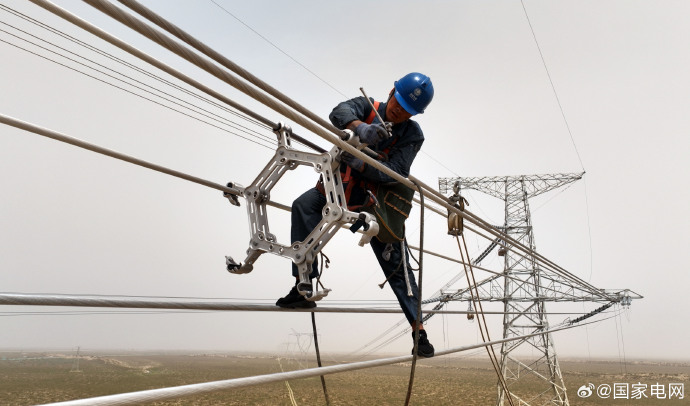
How Spacers Maintain Proper Cable Spacing and System Integrity
Spacer function in maintaining conductor and conduit alignment
Spacers keep wires and tubes separated properly along cables, stopping them from shifting around and getting out of line. When installed at regular intervals, these little devices help maintain the necessary space between electrical components, which cuts down on dangerous short circuits particularly important when dealing with high voltage equipment. Most installations follow strict guidelines set by engineers, but even small deviations can cause problems later on. Good quality spacers last for years, sometimes decades, making sure everything stays aligned and works reliably through all sorts of environmental conditions and mechanical stress.
Preventing cable deformation and damage during installation
When pulling cables through conduits, spacers play a critical role in preventing mechanical stress that might otherwise deform the conductors or tear up the insulation. What these little devices do is spread out the tension across the entire length of the cable run instead of letting all that force concentrate on one spot. This matters a lot because concentrated pressure points can actually crush the insulation material or mess with the metal shielding, especially when dealing with those tricky bends in walls or going up vertical shafts. Another benefit worth mentioning is how spacers stop adjacent conduits from rubbing together during temperature changes. Thermal expansion and contraction happen all the time in real world installations, and without proper spacing, this friction can wear down protective coatings over time. By keeping everything properly separated, installers maintain cable integrity for years to come, which means better signal quality and fewer maintenance headaches down the road.
Enhancing mechanical stability with HDPE and rigid spacer materials
HDPE spacers stand out because they can withstand impacts pretty well while maintaining their shape over time. Plus, they don't react electrically, which makes them great choices when conditions get tough. The material resists corrosion and works consistently even when temperatures swing between really cold (-40 degrees Celsius) and quite hot (around 90 degrees). For situations where extra support matters most, rigid composite versions step in. These combine solid structural backing with good insulation qualities. When put together, HDPE and composite spacers create reliable solutions that last years on end without compromising on safety standards.
Thermal Management and Ampacity: How Spacers Improve Heat Dissipation
Impact of spacer-enabled cable spacing on thermal performance
Cable spacers work to stop wires from bunching together by keeping conductors separated at regular intervals. This creates those important air gaps needed for proper cooling, which becomes really critical when dealing with underground cable runs. If cables end up touching each other, they generate way too much heat quickly. According to some industry specs like IEEE 635, this contact can actually raise conductor temps by around 15 degrees Celsius. Getting the spacing right means heat spreads out more evenly across the installation. Insulation materials don't get stressed as much thermally either. And over time, this makes a big difference in how long systems last before needing replacement due to early wear and tear.
Effect of 50mm conduit spacing on heat dissipation and cable rating
A 50mm gap between conduits is widely recognized as optimal for thermal performance in medium-voltage applications. This spacing balances efficient installation with effective heat transfer:
- Airflow gaps with 50mm reduce mutual heating effects by 40% compared to touching conduits
- Cable ampacity increases by 12–18% over minimally spaced configurations
- Temperature differentials between conductors remain below 5°C
This standard allows engineers to maximize current-carrying capacity without unnecessarily widening trenches. Thermal modeling confirms that 50mm spacing significantly reduces hotspot formation under high-load conditions.
Quantifying ampacity loss due to inadequate spacing (e.g., touching conduits)
Without spacers, direct conduit contact leads to unavoidable ampacity derating due to restricted heat dissipation. Research shows:
| Spacing Condition | Ampacity Loss | Temperature Rise |
|---|---|---|
| Touching conduits | 15–20% | 20–30°C |
| 25mm gap | 8–12% | 10–15°C |
| 50mm gap | <5% | 3–8°C |
Adjacent cables act as thermal insulators when touching, reducing effective cooling. The NEC’s Neher-McGrath method confirms that touching configurations require a 20% current reduction to stay within safe temperature limits. Spacers preserve designed thermal pathways, eliminating this derating penalty.
Design and Installation Best Practices for Effective Spacer Use
Ensuring spacing accuracy during installation for long-term reliability
Getting those spacers placed correctly really matters when it comes to keeping cables lined up properly and avoiding problems down the road with deformation issues. When installations stay within about 5% spacing tolerance, they tend to cut thermal stress somewhere around 30% better than setups with all over the place spacing. Most experienced techs check spacer spots every three meters with laser tools, definitely worth doing extra checks at corners or bends where the cables naturally want to pull apart under tension. The small details here make a big difference because these tiny stress points build up over time and start eating away at insulation materials much faster than expected. This becomes even worse in areas exposed to heat since materials expand differently when hot, making any existing misalignment problems grow exponentially.
Interphase spacers in high-voltage systems: balancing electrical clearance and thermal needs
For those working with high voltage systems, interphase spacers play a dual role that's essential to system performance. These components need to keep electrical parts separated while also helping manage heat buildup. The clearance requirements are pretty standard actually around 150 to 300 millimeters for most 33kV installations. Good designs often include built-in air paths that let hot air escape naturally, which makes a big difference in cooling efficiency. When it comes to materials, glass reinforced plastics stand out because they handle electricity really well, withstanding over 20 kilovolts per millimeter thickness. Plus these materials stay stable even when temperatures climb past 90 degrees Celsius during operation. Well thought out spacer design can drop those pesky hotspots by anywhere from 15 to maybe 25 degrees Celsius compared to what happens when things aren't optimized properly. This temperature control helps protect insulation layers from degradation and maintains proper current carrying capacity throughout the equipment lifespan.
FAQ
What are cable spacers used for?
Cable spacers are used to maintain proper separation between conductors and conduits, preventing mechanical stress, short circuits, and ensuring system integrity over time.
Why is thermal management important in cable installations?
Thermal management is crucial as it prevents overheating, prolongs system lifespan, and maximizes current-carrying capacity by preventing hotspot formation.
How do interphase spacers function in high-voltage systems?
Interphase spacers maintain electrical clearance between components while facilitating heat dissipation, essential for the functionality and safety of high-voltage systems.