EN
EN

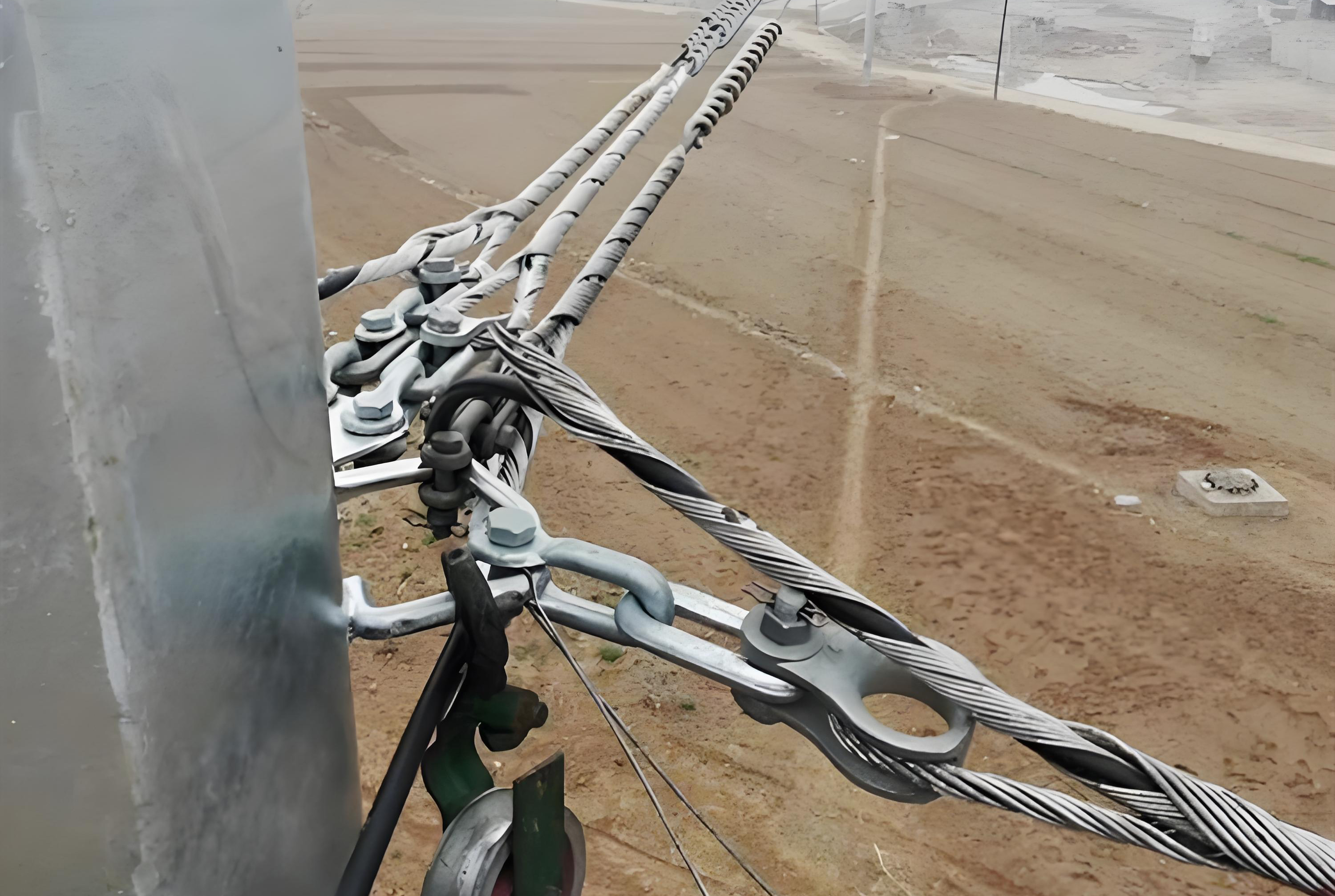
Core Electrical and Mechanical Functions of Power Line Fittings
Definition and role of power line fittings in transmission systems
Power line fittings, sometimes called electrical hardware accessories, are special parts designed to join together, hold in place, and shield wires used in overhead power lines. These fittings do both electrical work and mechanical jobs at the same time. They act as important links connecting different parts of the system like cables, insulators, support structures, and various other pieces of equipment throughout the grid. The absence of such fittings would make it impossible for power grids to stay structurally sound or deliver electricity reliably over those long stretches between substations and end users.
Ensuring electrical continuity and effective grounding
The fittings keep electricity flowing without interruption because they cut down on resistance where wires connect, thanks to their precisely made splices and clamps. At the same time, these components create solid grounding connections that send any faulty current harmlessly into the ground. When installed correctly, earthing clamps stop dangerous voltage spikes and electromagnetic noise from messing things up, which protects equipment and keeps workers safe. According to some recent research published in the latest IEEE guidelines for power transmission safety, combining grounding rods with proper fittings can slash step and touch potential risks by around 70% when something goes wrong in the system.
Providing mechanical stability under environmental stress
Fittings anchor conductors against extreme tension, wind loads, and ice accumulation while mitigating vibration-induced fatigue. For example:
- Strain clamps redistribute mechanical loads at dead-end points
- Dampers absorb aeolian vibrations, reducing conductor fatigue by 40% in tests compliant with IEC 61284
- Spacers prevent clashing in bundled lines during high winds
This resilience prevents structural collapse in storms and extends system lifespan by 15—20 years compared to uncertified installations.
Key Types of Power Line Fittings and Their Structural Applications
Suspension, strain, and dead-end clamps for conductor support and load distribution
Suspension clamps are used to secure conductors onto support structures but they also allow for thermal expansion which is really important for keeping the tension balanced properly. Then there are strain clamps that take care of those longitudinal forces when the direction of the line changes. The dead end versions basically stop the line right where it needs to end. These different types of fittings spread out the mechanical stress throughout both the towers and the conductors themselves. This helps avoid those problem spots where too much stress builds up over time, and such concentrated fatigue points actually account for around 23 percent of all overhead line failures as noted in the IEEE standard on transmission reliability from 2023. Getting the right clamps installed makes sure that loads get transferred evenly across everything, especially during strong winds reaching speeds of about 150 kilometers per hour or when dealing with ice buildup situations that can put extra weight on the system.
Tension clamps and connector fittings for secure conductor attachment
Compression and wedge type tension clamps establish strong, long lasting connections between wires and equipment parts that can withstand vibrations without coming loose. Splicing sleeves and other connector fittings keep electricity flowing smoothly through joints, with contact resistance staying well below 5 micro ohms as required by ASTM B354 standards for good conductivity. The grooves on these connectors stop them from slipping even when subjected to forces around 15 kilonewtons, plus they handle the slow stretching of conductors that happens over many years. Since these parts actually carry most of the electrical current, getting their manufacturing right is critical. Any manufacturing flaws can lead to hot spots along the line which waste energy and reduce how efficiently power gets transmitted across distances.
Support hardware: Bolts, hangers, and anchors in maintaining structural integrity
Structural integrity relies on auxiliary components including:
- Corrosion-resistant bolts that maintain clamping force through thermal cycles
- Articulating hangers allowing dynamic movement at suspension points
- Ground anchors with helical designs resisting 20-ton uplift forces
These elements work synergistically, with zinc-aluminum coatings preventing galvanic corrosion between dissimilar metals. Proper hardware assembly reduces maintenance frequency by 40% compared to non-standardized installations, per the National Electrical Safety Code (NESC) 2022 edition.
Maintaining Electrical Connection Integrity Through Proper Fitting Design
Insulation and connection points between conductors, insulators, and fittings
Good insulation design stops electrical leaks and flashovers from happening at those tricky spots where wires connect to insulators. The right dielectric materials act as shields against dirt, moisture and other nasties in the environment, all while keeping the electricity flowing properly. When it comes to connection points, engineers need to get the contact pressure just right across where conductors touch each other. If the pressure isn't even, hotspots form and things start breaking down faster than they should. According to standards like IEEE 1313.1 and IEC 60815, the fittings have to handle voltage stress above 15 kV per inch and maintain enough space between components so tracking doesn't occur. Compression fittings actually work better than regular mechanical clamps when it comes to fighting corrosion, which means fewer failures especially near the coast where salt air is a problem. Getting the thermal expansion right between aluminum conductors and steel fittings matters too because otherwise connections tend to loosen up when temperatures change, disrupting the electrical path over time.
Splices, joints, and clamps that ensure long-term electrical and mechanical performance
The best splices and joints use multiple crimp stages to form tight bonds between conductors, which stops oxidation from building up and increasing resistance over time. Good connections need to keep their conductivity close to the original conductor specs, typically within about 2%, even when dealing with mechanical stress caused by wind vibrations on power lines. Well-designed clamps spread out the tension across all the conductor strands instead of letting it concentrate in one spot where it might eventually lead to failure points. Coatings that resist corrosion, such as hot dip galvanization, can make these components last well past three decades in tough conditions. According to recent research published in the Ponemon Institute's 2023 report on grid infrastructure reliability, using designs that stand up better against vibrations cuts down maintenance expenses significantly, saving around 740 thousand dollars each year for every hundred miles of line maintained. Several key elements go into making sure these connections work properly in the long run.
- Radial compression uniformity preventing strand damage
- Thermal cycling tolerance matching conductor expansion rates
- Electromagnetic compatibility minimizing eddy current losses
- UV-resistant polymer components maintaining insulation integrity
Best Practices for Installing Power Line Fittings and Avoiding Common Failures
Correct installation: Torque control, alignment, and strain management
Precise installation of power line fittings requires strict adherence to three critical protocols:
- Torque specifications: Under-tightening causes slippage; over-tightening damages conductors. Use calibrated tools to achieve manufacturer-recommended values.
- Angular alignment: Misaligned fittings induce uneven stress distribution. Verify positioning with levels during installation and after environmental events.
- Strain management: Install armor rods or vibration dampers where conductors experience wind-induced oscillation or ice loading to prevent fatigue fractures.
Avoiding material incompatibility and design mismatches that compromise connections
When different metals like aluminum wires meet copper connectors in damp conditions, galvanic corrosion happens and makes things break down faster. For anyone working with electrical systems, it's really important to pick fittings made from matching materials or at least ones with proper protective layers. The same goes for checking if the strength ratings on equipment actually work for what they'll face locally. Wind speeds vary across regions, so do ice loads during winter months. According to an NESC inspection report last year, nearly half (about 42%) of all problems with overhead power lines came from hardware that simply wasn't strong enough for whatever weather conditions existed where they were installed.
FAQs
What are power line fittings?
Power line fittings, also known as electrical hardware accessories, are components designed to connect, support, and protect wires used in overhead power lines.
Why is grounding important in power line fittings?
Grounding in power line fittings ensures that any faulty current is safely redirected into the ground, protecting equipment and personnel from dangerous voltage spikes.
How do power line fittings maintain mechanical stability?
Fittings provide mechanical stability by anchoring conductors against extreme tension, wind loads, and ice accumulation, thereby preventing structural collapse.
What are the types of power line fittings?
Some key types of power line fittings include suspension clamps, strain clamps, dead-end clamps, tension clamps, and connector fittings, among others.
What are the installation best practices for power line fittings?
Installation best practices for power line fittings include ensuring correct torque control, proper alignment, and managing strain to prevent fatigue fractures.