EN
EN

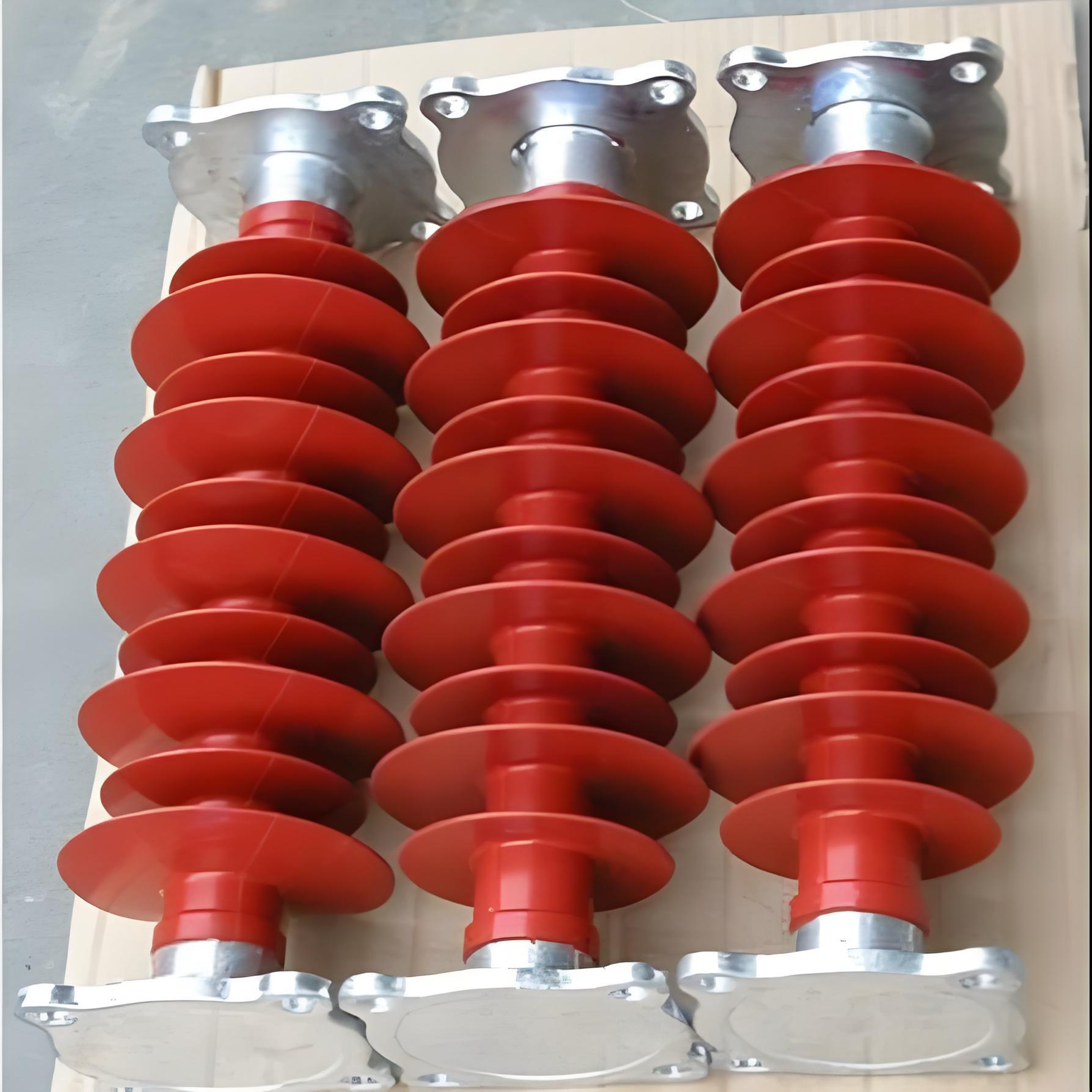
Material Composition and Structural Design of Insulator Types
Porcelain Insulators: Composition and Manufacturing Process
Porcelain insulators have become standard equipment across high voltage transmission lines around the world. These traditional insulators typically contain around 40 percent kaolin, 30 percent quartz, and another 30 percent feldspar mixed together. When fired at temperatures reaching approximately 1,400 degrees Celsius, these materials create a ceramic structure made up of interlocking aluminum silicate crystals that can withstand compression forces as high as 60 kilonewtons. The smooth glazed coating helps keep dirt and other pollutants from sticking to the surface, which is why porcelain insulators perform so reliably even when installed near industrial areas or along highways where pollution levels tend to be higher. However there's a catch. While these insulators last quite long, they do have a tendency to crack or shatter if something hits them hard enough. According to recent data from the power sector in 2023, about two thirds of all existing infrastructure still relies on porcelain technology because failures happen in predictable ways that engineers know how to manage. Still, the fact remains that porcelain insulators weigh anywhere between eight to fifteen kilograms per kilometer of line, making them too heavy for many newer transmission projects that prioritize lighter materials instead.
Tempered Glass Insulators: Structure and Self-Explosion Characteristics
Glass insulators tempered through fast cooling reach impressive dielectric strengths around 140 kV per centimeter because this process creates compressive stress on their surfaces. What makes these insulators stand out is how they work as safety devices. If something goes wrong and they get damaged, they break apart entirely instead of cracking like regular porcelain does. This actually cuts down dangerous arc over incidents by about 93 percent according to recent studies from EPRI back in 2024. The clear nature of tempered glass lets technicians check for problems visually, though there's one downside. After sitting in desert areas where sand and dust constantly blow against them, these insulators start developing small pits on their surfaces. Over time, this leads to increased leakage currents roughly 17 percentage points higher than what we see with ceramic options.
Composite Insulators: Silicone Rubber and Epoxy Resin Core Technology
Composite insulators typically feature silicone rubber or EPDM sheds attached to a fiber reinforced epoxy core. These designs cut down on weight by about half compared to traditional ceramic alternatives. The core itself can handle tension forces well beyond 120 kilonewtons and allows for around 15 degrees of movement before failure which makes these insulators particularly suited for areas prone to earthquakes. Manufacturers have started incorporating tiny microsphere particles into their formulas to boost UV protection capabilities. Field testing shows these modified versions retain their water repelling properties for at least 25 years under harsh conditions. There remains considerable differences though when it comes to how well different brands resist electrical tracking damage. For this reason, following the IEC 61109 guidelines becomes absolutely essential during product selection processes.
Comparative Overview of Material Advantages and Limitations
| Characteristic | Porcelain | Tempered Glass | Composite |
|---|---|---|---|
| Compressive Strength | 60 kN (max) | 45 kN | 30 kN |
| Weight Efficiency | 8 kg/unit | 6.5 kg/unit | 3.2 kg/unit |
| Pollution Tolerance | Moderate | High | Exceptional |
| Failure Detectability | Visual inspection | Self-destruction | IR scanning |
| Service Temperature | -40°C to +75°C | -50°C to +80°C | -60°C to +105°C |
This materials hierarchy guides optimal selection: porcelain for static, high-load applications; tempered glass for corrosion-prone coastal grids; and composites for weight-sensitive or heavily polluted environments.
Electrical Performance Across Voltage Levels and Environmental Conditions
Dielectric Strength and Insulation Coordination in High-Voltage Applications
When it comes to dielectric strength, porcelain insulators stand head and shoulders above the competition with an impressive rating of 50 kV/mm. Tempered glass follows closely behind at around 40 kV/mm while composite materials lag further back at approximately 35 k V/mm. For this reason, porcelain remains the go to choice for those working with ultra high voltage systems exceeding 800 kV levels. The secret lies in their composition rich in alumina content that effectively minimizes partial discharge occurrences when faced with sudden voltage spikes. Most industry guidelines actually require maintaining a safety buffer somewhere between 15% to 20% above what's needed based on actual operating conditions. This creates proper insulation coordination as outlined in the latest IEEE standard 1313.2 from 2023, ensuring equipment stays protected under real world electrical stresses.
Flashover Voltage: Clean vs. Polluted Surface Conditions
A recent study published in Scientific Reports back in 2024 found that pollution cuts down flashover voltage between 40 and 60 percent for pretty much every type of insulator out there. When things get dirty, composite insulators hold onto about 85% of what they can do when clean, which is way better than traditional options. Porcelain only manages around 55%, while glass comes in at roughly 60%. Salt fog tests show something interesting too. These composite materials can handle deposits as thick as 0.25 mg per square centimeter before flashing over happens. That makes them especially good choices for areas near the coast where salt air is constantly getting everywhere.
Performance from Low to Ultra-High Voltage: Suitability by Insulator Type
| Voltage Class | Preferred Insulator Type | Critical Design Factor |
|---|---|---|
| Low Voltage (<1 kV) | Epoxy Resin Composite | Arc resistance (>100 kA cycles) |
| Medium Voltage (33 kV) | Tempered Glass | Uniform electric field distribution |
| High Voltage (400 kV+) | Porcelain | Mechanical-compressive strength (>120 MPa) |
This alignment reflects standard voltage classifications while leveraging material-specific advantages for operational reliability.
Electric Field Distribution and External Flashover Mechanisms
Composite insulators reduce electric field gradients by 30–40% through integrated grading rings, minimizing corona discharge risks at voltages above 765 kV. Finite element analysis reveals that porcelain insulators develop surface gradients of 12–15 kV/cm in wet conditions—20% higher than silicone rubber counterparts—increasing susceptibility to external flashover during storms.
Debate: Are Composite Insulators More Reliable at Ultra-High Voltages?
Composites are everywhere from 69 to 230 kV systems, but when we get into those ultra high voltage setups above 900 kV, they actually fail about 18% more often than good old porcelain does. The problem comes down to how different materials expand when heated. Silicone housings just don't play nice with fiberglass cores over time, especially after all those cycles of loading and unloading power. This was something that really caught attention in last year's CIGRE Grid Resilience Report. Even though composites win points for being lighter and resisting pollution better, these hidden flaws mean they struggle to hold up in the toughest high voltage situations over the long haul.
Mechanical Strength, Durability, and Installation Considerations
Tensile and Compressive Load Resistance Across Materials
Porcelain works really well when compressed, handling pressures between 300 to 400 MPa, but it doesn't handle tension very well at all. Because of this weakness in tensile strength, we need metal fittings to properly transfer loads across porcelain components. Composite insulators take a different approach though. They have these fiberglass cores that can actually withstand over 100 kN of tensile force. Plus they bend a bit when needed, which makes them better suited for situations where loads change constantly. Tempered glass sits somewhere in the middle. It holds up pretty good under compression forces around 200-250 MPa without getting permanently damaged. This happens because the glass gets heated and cooled in a special way during manufacturing, creating that tough outer layer everyone knows about.
Weight, Handling, and Installation Benefits of Synthetic Insulators
Polymer-based insulators reduce structural weight by 60–80% compared to ceramics, enabling single-worker handling and faster tower installations. Their modular construction eliminates fragile components like cement seals, reducing on-site assembly time by 40% in field trials.
Common Failure Modes Under Mechanical Stress
Key mechanical failure mechanisms include:
- Fracture propagation in glass or porcelain under torsional stress during improper installation
- Core brittleness in aged composite units exposed to severe cold (-40°C)
- Interface corrosion at metal-polymer junctions, responsible for 34% of mechanical failures in coastal areas (2023 Mechanical Engineering Report)
Long-Term Structural Integrity in Harsh Operating Environments
In desert environments, sand abrasion erodes porcelain glaze at 0.1–0.3 mm annually. Acid rain increases glass fracture risk by 18% due to chemical etching. Conversely, silicone rubber composites retain 85% hydrophobicity after 15 years in coastal fog zones, demonstrating superior resilience in IEC 62217 accelerated aging tests.
Pollution Resistance and Environmental Impact on Insulator Performance
Leakage Current Development and Pollution Flashover Mechanisms
About 38% of power grid failures along coastlines are actually caused by pollution according to Energy Systems Research from 2023. When salt builds up alongside dust and industrial grime on equipment surfaces, it creates paths for electricity to leak through instead of staying where it should. This leads to those dangerous arcing events we all know about. The problem hits porcelain insulators especially hard too - their dielectric strength drops between 14 and almost 30 percent worse compared to composite ones when exposed to these conditions. Engineers have found that tweaking how much salt gets deposited during manufacturing can make a big difference though. Studies show adjusting these salt deposit density ratios boosts protection against flashovers by around 26%, which means fewer unexpected blackouts for communities near the shore.
Performance in Coastal, Industrial, and Desert Environments
Porcelain insulators tend to break down three times faster than silicone rubber ones along coastlines where salt gets into everything and causes corrosion problems. Out in desert areas things are different but still bad for glass surfaces. The harsh winds and dust actually speed up the wearing process, which leads to those dangerous corona discharges because the surface becomes so rough over time. When it comes to industrial pollution, sulfur dioxide (SO2) is particularly problematic since it creates these conductive acid films on equipment. Looking at actual performance numbers tells us something interesting too. Silicone composite materials hold onto about 92% of their original voltage resistance capability when exposed to these conditions, while traditional porcelain only manages around 74%. That makes a big difference in reliability for power systems operating near factories or other pollution sources.
UV Exposure, Weathering, and Indoor vs. Outdoor Degradation Effects
Outdoor exposure leads to varying degradation rates:
| Material | UV Degradation Rate | Weathering Impact (10-yr span) |
|---|---|---|
| Porcelain | ≈2‰ | Crack formation from thermal stress |
| Tempered Glass | 5% | Surface pitting (40µm depth) |
| Silicone Rubber | 15% | 2mm erosion depth |
While indoor installations avoid UV damage, they remain vulnerable to partial discharge erosion in humid, enclosed environments.
Case Study: Porcelain Insulator Failures in Coastal Regions
A three-year grid analysis found that 63% of porcelain insulator failures occurred within 2 km of coastlines. Post-failure inspections revealed:
- Salt crystallization in cement joints (82% of cases)
- Corona-induced glaze deterioration (67%)
- 40% loss in mechanical strength due to chemical corrosion
Switching to composite insulators in these areas reduced outage frequency by 58% within 18 months.
Aging, Maintenance, and Long-Term Operational Reliability
Degradation Mechanisms in Porcelain, Glass, and Composite Insulators
Porcelain insulators experience surface erosion from partial discharges, with salt contamination reducing dielectric strength by 30% after 15 years (IEEE Report 2023). Glass units are susceptible to stress corrosion cracking in humid environments, while composites degrade through UV-induced embrittlement and oxidative aging of silicone rubber.
Thermal Cycling Effects on Ceramic Insulator Longevity
Repeated temperature swings between -40°C and 50°C induce cumulative stress in ceramic insulators. Research shows this accelerates microcrack formation by 2.7% compared to stable conditions (CIGRE Study 2021), compromising integrity and raising fracture risks during icing events.
Hydrophobicity Loss and Recovery in Silicone Rubber Coatings
Contamination temporarily reduces hydrophobicity in composite insulators, with salt-fog exposure decreasing water contact angles from 120° to 60° over 18 months. However, silicone rubber exhibits auto-recovery: under dry conditions, polymer chain migration restores 85% of original hydrophobic performance within 72 hours (EPRI Findings 2022).
Maintenance Strategies for Maximizing Service Life
Effective maintenance integrates infrared thermography surveys every 24 months to detect hotspots, annual dissolved gas analysis for bushings, and pollution severity mapping to optimize cleaning schedules. Utilities using predictive frameworks report 40% fewer outages and 22% longer service lives compared to traditional time-based maintenance (NERC Data 2023).
FAQ Section
What is the main advantage of porcelain insulators?
Porcelain insulators perform reliably even in polluted environments due to their smooth glazed surface, although they are heavier compared to modern alternatives.
Why are tempered glass insulators considered safer?
Tempered glass insulators are designed to shatter completely if damaged, significantly reducing the risk of dangerous electrical arcs.
What makes composite insulators suitable for earthquake-prone areas?
Composite insulators can handle significant tension and allow for movement, making them effective in areas where mechanical loads may fluctuate due to earthquakes.
How do pollution and UV exposure affect the durability of different insulators?
Pollution and UV exposure can lead to various degrees of degradation in insulators, with composites often showing better resilience against environmental factors.
Table of Contents
- Material Composition and Structural Design of Insulator Types
-
Electrical Performance Across Voltage Levels and Environmental Conditions
- Dielectric Strength and Insulation Coordination in High-Voltage Applications
- Flashover Voltage: Clean vs. Polluted Surface Conditions
- Performance from Low to Ultra-High Voltage: Suitability by Insulator Type
- Electric Field Distribution and External Flashover Mechanisms
- Debate: Are Composite Insulators More Reliable at Ultra-High Voltages?
- Mechanical Strength, Durability, and Installation Considerations
- Pollution Resistance and Environmental Impact on Insulator Performance
- Aging, Maintenance, and Long-Term Operational Reliability
- FAQ Section