EN
EN

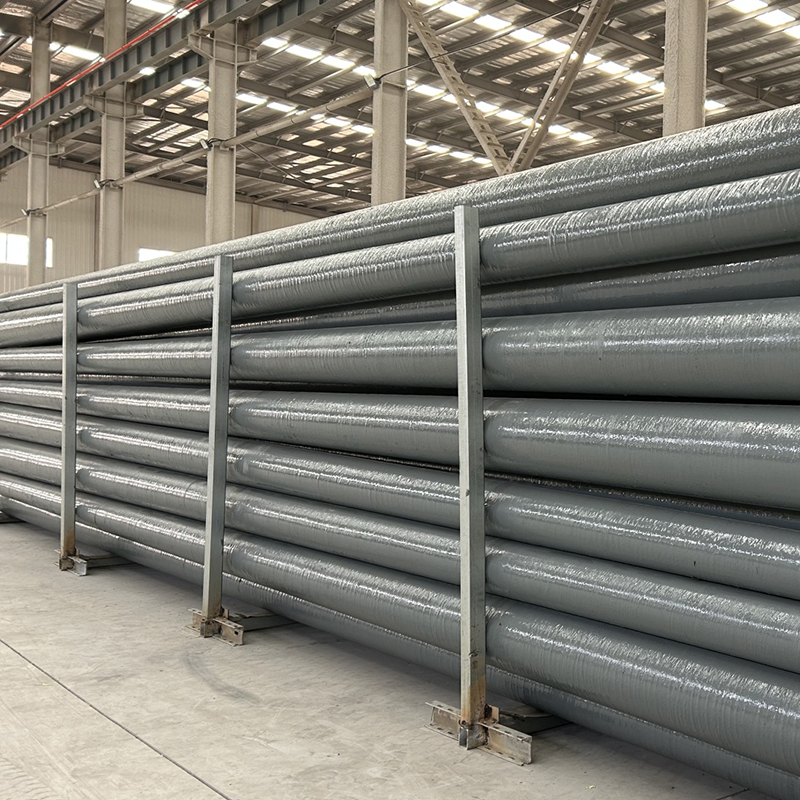
Matching Utility Pole Materials to Terrain and Environmental Conditions
How terrain-specific factors influence utility pole selection and infrastructure planning
When picking out utility pole materials, engineers need to look at things like slope stability, how much wind hits the area, and whether equipment can actually reach the installation site. Steep mountain areas often call for lighter weight stuff that won't rot away over time, which is why composite poles made from fiberglass are becoming popular there. These places just don't have room for heavy machinery to haul around traditional poles. On the other hand, flat country areas usually go with cheaper options like wooden poles or standard steel ones since they're easier to work with. According to some recent research published last year, almost two thirds of problems in rural power grids happen because companies used the wrong kind of pole material for their particular landscape and ground conditions.
Soil composition, weather exposure, and geographic suitability for wood, steel, concrete, and composite poles
The condition of soil acidity levels along with proper drainage plays a big role in how stable foundations remain over time. When looking at different materials for support structures, concrete poles tend to hold up better in clay soils that shift around quite a bit. On the flip side, composite materials generally perform well in those sandy areas near coastlines where traditional options might struggle. Steel poles face another challenge during freeze thaw cycles since they need special treatment like galvanization just to avoid rusting out completely. This extra protection adds anywhere from 15 to maybe even 20 percent onto what would otherwise be the base cost. Industry experts have observed something interesting too: after about ten years exposed to constant saltwater conditions along coasts, composite poles seem to corrode roughly thirty percent less compared to their steel counterparts according to field reports from various installation sites.
| Material | Ideal Terrain | Maintenance Cycle |
|---|---|---|
| Wood | Low-humidity flatlands | 5–7 years |
| Steel | Wind-prone plains | 10–12 years |
| Concrete | Seismic/stable soil regions | 15–20 years |
| Composite | Coastal, mountainous, wetland | 25+ years |
Impact of pests, moisture, and corrosion on the longevity of utility poles
Wooden poles left untreated will typically lose half their strength after about eight years where termites are active, which means regular chemical treatments become necessary. These treatments end up raising total ownership costs somewhere around 35 percent over time. When it comes to moisture, wood rots much faster in tropical regions with lots of rain. Studies show decay happens roughly two and a half times quicker there compared to dry areas. Steel poles face another problem too. They tend to corrode badly in soils that have high acidity levels. To combat this, engineers install special sacrificial anodes on each pole. Maintenance bills for these protective measures run anywhere from one hundred twenty to one hundred eighty dollars every year per pole depending on location and soil conditions.
Case study: Performance comparison of utility poles in mountainous versus flatland regions
Looking at data from 5 years worth of observations on around 12,000 utility poles shows something interesting about materials used in different regions. The composite ones survived pretty well in Rocky Mountain areas with about 92 out of every 100 still standing after all that time compared to only 67% survival rate for wooden poles there. Down in the flatter parts of the Midwest, concrete poles actually held up better during storms than their steel counterparts showing about 40% less damage overall. But there was a catch they needed special heavy lifting equipment which added extra work for installers. What stands out though is how much money companies saved when using these modular composite systems in hard to reach spots like the Appalachians mountains. Each one cut down deployment expenses by roughly $2,800 because workers could put them together by hand instead of relying on expensive machinery.
Climate-Specific Durability and Maintenance Needs of Utility Poles
Long-Term Performance of Wooden Utility Poles in High-Humidity and Wet Climates
Wood utility poles tend to break down much faster where there's lots of humidity in the air. When wood soaks up all that moisture, it gets rotted and grows fungus at rates about 70% higher than what we see in really dry areas according to the National Forestry Association report from 2023. Take those coastal wetlands for instance. The untreated wooden poles there generally only stick around for somewhere between 15 to 25 years before needing replacement. That's roughly 40% less time than they would last if placed in drier climates instead. Creosote and similar preservatives definitely help the poles last longer, but keeping them maintained comes at a price. Maintenance crews are spending around $280 on each pole every year just to keep things running smoothly in these moist environments.
Corrosion Challenges and Maintenance Demands for Steel Utility Poles in Harsh Environments
Steel utility poles really struggle when exposed to harsh environments where corrosion is constant. In places near the coast or industrial zones, those protective galvanized coatings tend to wear out pretty fast, needing replacement somewhere between 8 to 12 years later. After about 15 years of sitting in salty air, nearly a quarter of these poles start showing signs of failure. According to a recent infrastructure report from 2022, steel poles located in areas prone to hurricanes actually need three times as many checkups compared to their composite counterparts. This means significantly higher maintenance expenses over time even though they might seem cheaper at first glance. The total lifecycle costs end up being around 35% greater for steel poles than what people initially expect based on purchase price alone.
Concrete and Composite Alternatives: Balancing Low Maintenance with Installation Complexity
| Material | Avg. Maintenance Cost/Year | Lifespan (Years) | Installation Complexity |
|---|---|---|---|
| Concrete | $75 | 50–70 | High (weight, equipment) |
| Composite (FRP) | $30 | 60–80 | Moderate (lightweight) |
Traditional concrete utility poles stand up really well during storms, but they become a nightmare to install when the ground gets rocky or the location is hard to reach because each one weighs between 4,000 and 6,000 pounds. That's where fiberglass-reinforced polymer or FRP composite poles come into play. These lighter alternatives weigh about 80% less than concrete and won't corrode like metal poles do. The catch? They cost around 25% more than steel options at first glance. However, looking at actual field performance tells another story. When installed in areas prone to flooding, these FRP poles need repairs roughly 60% less often over two decades compared to traditional materials. This means that while the initial price tag might seem steep, many companies find that the long term savings make up for it pretty quickly in practical terms.
Coastal and Harsh Climate Resilience in Utility Pole Design
Surviving Salinity: How Utility Poles Perform in Coastal Zones
Coastal zones demand utility poles that withstand saltwater exposure. Concrete poles, naturally resistant to corrosion, dominate these areas. However, their weight complicates installation. Composite (FRP) poles offer a lightweight alternative with equal durability, as salt has minimal impact on fiberglass materials.
Corrosion Resistance Showdown: Composite (FRP) vs. Steel Utility Poles
Steel poles require protective coatings to combat coastal corrosion, adding 15–20% to initial costs (Industry Report 2023). Uncoated steel fails 3 faster than FRP composites in salt-rich environments. FRP’s non-metallic composition eliminates rust risks entirely, maintaining structural integrity for decades.
Storm-Hardening Infrastructure With Resilient Utility Pole Designs
Post-storm analyses reveal composite poles’ resilience. A 2023 study of Gulf Coast installations found FRP poles had 92% survival rates after Category 4 hurricanes, compared to 67% for traditional materials. Their flexible design allows bending without breaking—critical in extreme wind conditions.
Cost Analysis: High Upfront Investment in Durable Poles vs. Long-Term Savings
While composite poles cost 40–60% more upfront than wood, they reduce long-term expenses. Coastal maintenance costs drop by 75% over 20 years due to zero corrosion treatments and minimal repair needs. This makes FRP poles cost-competitive within 12–15 years of service.
Overcoming Installation Challenges in Remote and Difficult Terrains
Access and Foundation Issues in Wetlands, Forests, and Remote Rural Areas
Putting up utility poles in wetlands or thick forest areas presents some real headaches when it comes to dealing with shaky ground and tough access points. The soggy conditions in wetlands mean installers have to go with helical anchors or other special foundation systems just to keep poles from leaning over time. Things get even trickier in mountainous regions where rocks make drilling difficult, and getting heavy machinery to these isolated spots is practically impossible sometimes. According to a report on remote infrastructure from last year, around two thirds of all rural energy projects run into trouble because of these foundation issues related to tricky terrain. It's one of those problems that keeps coming back no matter how much planning goes into these installations.
Logistical Barriers and Equipment Limitations in Rural Utility Pole Deployment
Transporting heavy materials like steel or concrete poles to roadless regions increases costs by up to 40% compared to urban projects. Helicopter lifts—often used in mountainous areas—cost $1,200/hour on average, making lightweight alternatives critical. Many rural sites also lack the heavy machinery needed for traditional pole installation.
Why Lightweight Composite (FRP) Poles Are Ideal for Hard-to-Reach Locations
FRP utility poles are way lighter than their steel counterparts actually weighing around 70 percent less which means field crews can carry them through places like national parks or conservation areas where trucks just cant go. The modular nature of these poles makes it possible to put them together right there at the site so nobody has to worry about getting special permits for oversized vehicles. Wood poles tend to get eaten away by bugs and start rotting fast in those damp jungle climates. That's why FRP poles really shine in remote locations because sometimes it takes weeks before anyone can even get to fix a broken pole let alone replace it completely.
Future-Ready Solutions: Innovations in Composite and Smart Utility Poles
Composite materials and IoT-enabled designs are redefining how utilities approach infrastructure challenges. By combining terrain adaptability with real-time monitoring capabilities, these solutions address both current grid demands and future resilience needs.
Advantages of fiberglass (composite) utility poles across diverse terrains
FRP utility poles really shine where old school materials just can't keep up. We're talking about those tough spots like rocky ground or swampy areas where regular concrete poles are a nightmare to install. The fact that these FRP poles weigh about 40% less makes all the difference for crews trying to get them set up properly. Plus they don't rust or rot even when exposed to saltwater or chemicals, so they last much longer near coastlines or industrial sites. Some real world testing back in 2023 showed something pretty impressive too. After sitting through 15 years of flooding cycles, these FRP poles still had around 98% of their original strength intact. Steel poles in the same test? They lost about a quarter of their structural integrity due to corrosion over the same period. That kind of durability saves money in the long run for anyone dealing with harsh weather conditions.
Field evidence: Lower failure rates of FRP poles in flood-prone and extreme weather zones
In hurricane prone coastal regions across six different US states, FRP poles have been found to fail only 28% as often as traditional wooden poles when looking at disaster recovery records. The reason? These composite materials can actually bend around 10 degrees before breaking apart during those intense wind storms, something regular wood just can't handle. Steel and concrete poles on the other hand tend to crack under pressure because they don't flex at all. This makes FRP poles much better suited for areas where strong winds regularly cause damage to infrastructure.
Next-generation smart poles: Integrating IoT sensors for real-time terrain and structural monitoring
These days, many utility poles come equipped with strain gauges and moisture sensors that send information to grid managers roughly every 15 seconds. The benefits? Predictive maintenance becomes possible. According to a recent Grid Resilience Report from 2024, this tech helped cut down on weather related power outages by around two thirds thanks to spotting ice buildup early. What's more, these monitoring systems keep an eye on ground shifts around the base of each pole too. Crews get warnings about potential erosion issues long before any actual damage happens to the structure itself.
Frequently Asked Questions
What are the main materials used for utility poles?
The main materials used for utility poles include wood, steel, concrete, and composite materials such as fiberglass-reinforced polymer (FRP).
How do environmental factors affect the choice of utility pole materials?
Environmental factors such as terrain, soil composition, humidity, weather exposure, and salinity can influence the selection of utility pole materials. For example, composite poles are preferred in mountainous areas due to their lightweight nature, while concrete poles are suitable for seismic regions.
What is the lifespan of different utility pole materials?
Wooden utility poles typically last 15-25 years in humid climates, while composite poles can last up to 60-80 years. Steel poles require regular maintenance and may last around 30-50 years depending on environmental conditions, and concrete poles can last up to 70 years or more.
Why are composite (FRP) poles favored in remote and harsh terrains?
Composite (FRP) poles are favored in remote and harsh terrains due to their lightweight, durable, and corrosion-resistant properties. They can be easily transported and assembled without heavy machinery, making them ideal for hard-to-reach locations.
What are the benefits of using IoT-enabled utility poles?
IoT-enabled utility poles provide real-time monitoring capabilities, allowing for predictive maintenance and early detection of structural issues. This technology helps reduce power outages and improve infrastructure resilience.
Table of Contents
-
Matching Utility Pole Materials to Terrain and Environmental Conditions
- How terrain-specific factors influence utility pole selection and infrastructure planning
- Soil composition, weather exposure, and geographic suitability for wood, steel, concrete, and composite poles
- Impact of pests, moisture, and corrosion on the longevity of utility poles
- Case study: Performance comparison of utility poles in mountainous versus flatland regions
- Climate-Specific Durability and Maintenance Needs of Utility Poles
- Coastal and Harsh Climate Resilience in Utility Pole Design
- Overcoming Installation Challenges in Remote and Difficult Terrains
- Future-Ready Solutions: Innovations in Composite and Smart Utility Poles
-
Frequently Asked Questions
- What are the main materials used for utility poles?
- How do environmental factors affect the choice of utility pole materials?
- What is the lifespan of different utility pole materials?
- Why are composite (FRP) poles favored in remote and harsh terrains?
- What are the benefits of using IoT-enabled utility poles?