EN
EN

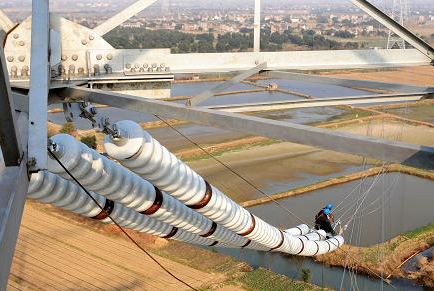
Yüksək Gərginlik Tətbiqetmələri üçün Əsas İzolyator Növlərini və Material Seçimlərini Anlayın
Asma, Dayaq, Uzun Çubuq və Gərginlik İzolyatorları: YG Sistemlərindəki Funksiyaları və Konstruktiv Rolları
Yüksək gərginlikli ötürmə sistemlərində kritik rol oynayan dörd əsas izolyator növü var. Asma izolyatorlar, ayrı-ayrı disklərin zəncirləri vasitəsilə keçiricilərin çəkisini daşımaqla işləyir. Bu konfiqurasiya mühəndislərə müxtəlif formalı qüllələr tikməyə imkan verir və xətlərin mürəkkəb relyefə uyğun getməsi tələb olunduqda prosesi asanlaşdırır. Dəstək izolyatorları isə transformator stansiyalarında rast gəlinən qalın avtobusların möhkəm dəstəyini təmin edərək fərqli yanaşma irəli sürür. Onlar yüzlərcə kilovolt gərginliyi dayanacaq qədər möhkəm qurulub. Uzun çubuq izolyatorları isə porcelan və ya kompozit materialdan ibarət davamlı bir hissədən hazırlanması ilə seçilir. Bunlar xüsusilə kir toplanmasına qarşı müqavimət göstərir ki, buna görə də komponentlər arasında təhlükəli aşırı gərginlikləri (flashover) qarşısını almaq üçün daha uzun səthlər tələb olunan YGG tətbiqetmələrində onları tez-tez görürük. Sonra isə ötürmə xətlərinin sonlarında, yüksəklik dəyişiklikləri, ağır qar yığılması və ya peyzaja eninə əsən güclü küləklər kimi müxtəlif təzyiqlərə qarşı hər şeyi bir arada saxlayan gərginlik izolyatorları yerləşdirilir. Hər bir növ müxtəlif çətinliklərlə — külək təzyiqi, buz yığılması və hətta zəlzələlərlə — mübarizə aparmaq üçün xüsusi olaraq hazırlanıb. Maraqlıdır ki, tədqiqatlar göstərir ki, uzun çubuq izolyatorları təkrarlanan təzyiqlər altında köhnə disk zəncir dizaynlarına nisbətən təxminən 30 faiz daha uzun xidmət edə bilir ki, bu da onları bir çox müasir quraşdırmalar üçün ağıllı seçim halına gətirir.
Porcelain, Şüşə və Kompozit İzolyatorlar: Sürət, Davamlılıq və Tətbiqi Uyğunluq
Avadanlığın yüksək gərginlik şəraitində nə qədər yaxşı işlədiyini və nə qədər uzunömürlü olduğunu qiymətləndirərkən istifadə olunan materialın nə olduğu vacibdir. Porcelain elektrik keçirməmə qabiliyyəti ilə məşhurdur, onun dielektrik möhkəmliyi hər futda 150 kV-dan çoxdur və temperatur dəyişsə belə sabit qalır. Problem isə onun zərbə alsa asanlıqla sınmasıdır ki, bu da təmirin həmişə asan və ya təhlükəsiz olmadığı yerlərdə real narahatlıq doğurur. Şüşə izolyatorlar təbii şəkildə özünü təmizləyir və tamamilə sıradan çıxmadan əvvəl çatlamaları göstərir, bu da təhlükəsizlik baxımından yaxşıdır. Lakin bu şüşə izolyatorlar sahillərə yaxın, havada duzun miqdarının çox olduğu bölgələrdə daha az davamlıdır, səthi zamanla aşınır. Son vaxtlar xüsusilə çirkin və ya nəmli mühitlərdə kompozit polimer izolyatorlar populyarlıq qazanıb. Onların daxilində şüşə lifi var və silikon rezin örtüyü ilə örtülüb, suyu itələmə xüsusiyyəti onlara adi materiallardan təxminən 40% sürətlə çirk və tozu aradan qaldırmağa kömək edir. Bəzi sahə hesabatları qurğuşun iqlimlərdə bu kompozitlərin ənənəvi porcelain variantlarına nisbətən təxminən 15 il əlavə davam etdiyini göstərir. Yenə də, günəşin UV şüaları altında uzun illər keçdikdən sonra onların çox tez parçalanmasının qarşısını almaq üçün xüsusi formullar hazırlanmalıdır. İndiki vəziyyətə, xüsusilə də çox yüksək gərginlik sistemlərinə baxdıqda, şüşə və ya porcelain nüvələrin üstünlüklərini kompozit örtüklərin hava şəraitiyə davamlılığı ilə birləşdirən yeni hybrid yanaşmaların meydana çıxdığını görürük.
Elektrik və Mexaniki Sürət Tələblərini Qiymətləndirin
Dielektrik Möhkəmlik və Gərginlik Reytinqi: İzolyatorların 110 kV-UHV və HVDC Sistemlərinə Uyğunlaşdırılması
Doğru izolyator materialını seçmək həm sistem gərginliyini, həm də mövcud elektrik yüklərini diqqətli şəkildə nəzərə almağı tələb edir. 110 kV ilə 800 kV arasındakı AC sistemlər üçün standart porşelen izolyatorlar ümumiyyətlə santimetrə 10-12 kV səviyyəsində dayanır. Lakin ultra yüksək gərginlik (UHV) və yüksək gərginlikli sabit cərəyan (HVDC) tətbiqlərinə gəldikdə tələblər əhəmiyyətli dərəcədə artır. Bu sistemlər daha güclü elektrik sahələri yaratdığı üçün ən azı santimetrə 15 kV dözə bilən materiallara ehtiyac duyulur. HVDC ilə işləmək əlavə problemlər də gətirir. Elektrik sahəsinin paylanması polyarlıqdan asılı olaraq dəyişir və bu sistemlər digərlərinə nisbətən səth çirkabının toplanmasını daha sürətlə artırır. Çirklənmə problemi gerçək sualın yaşlanma prosesini sürətləndirir və zamanla sızan cərəyanların artmasına səbəb olur. Təzyiq altında olan gərginlik piklərinə qarşı təhlükəsizlik üçün əksər mühəndislər sistemin normalda gördüyü dəyərdən 20-30 faiz əlavə tutum nəzərdə tuturlar. Məsələn, UHV izolyatorları tez-tez 1800 kV səviyyəsində bir dəqiqə boyu sərt testlərdən keçirilir ki, onların təzyiq altındakı davamlılığı yoxlanılsın. Bir çox şirkət indi HVDC işləri üçün kompozit polimer izolyatorlardan istifadə etməyə yönəlib. Onlar elektrik sahəsini səth üzrə daha bərabər paylayır və çirk və çirklənmənin səbəb olduğu alovlanmalara ənənəvi variantlara nisbətən daha çox müqavimət göstərir.
Mexaniki Yük Həcmi: Külək, Buz, Gərilmə və Aralıq Çətinliklərinə Dözümlülük
Mexaniki performans sərt şəraitdə etibarlı işləmə üçün kritikdir. Yüksək gərginlikli izolyatorlar aşağıdakılara dözümlü olmalıdır:
- Külək və buz yükü : Buzun yığılması ilə təhlükəli bölgələrdə 345 kV xətləri üçün enindən möhkəmlik 70 kN-dən çox olmalıdır
- Keçid gərilməsi : Xətt nasazlığı və ya ekstremal hava şəraiti zamanı ardıcıl sıradan çıxma hallarının qarşısını almaq üçün uzanma möhkəmliyi 120 kN-dən çox olmalıdır
-
Seysmik və relyef təzyiqləri : Zəlzələ təhlükəli zonalarında vibrasiya amortizatorlarından istifadə və dağlıq və ya açıq ərazilərdə qalqa dizaynlarının tətbiqi
Kompozit izolyatorlar 500 MPa-dan çox olan eninə möhkəmlik xüsusiyyətinə malikdir, bu da porcelanın təxminən 40 MPa olan dəyərinə nisbətən üstün tərəfdir, eyni zamanda silikon rezin örtüklər buzun ayrılmasını yaxşılaşdırır. Sahil zonalarında izolyatorlarda 25-30 mm/kV aralığındakı sızma məsafəsi və duzla əmələ gələn izləməyə qarşı hidrofob səthlər tələb olunur. IEC 61109 və ANSI C29.11 standartlarına uyğunluq real şəraitdə mexaniki və elektrik performansını təmin edir və onilliklər boyu etibarlı işləməyə kömək edir.
Sərt Şəraitdə Ekoloji Müqavimətin və Uzunmüddətli Etibarlılığın Qiymətləndirilməsi
Sahil, Sənaye və Quru İqlimlərində Sızma Məsafəsi və Çirklənmə Performansı
İzolyatorların iş performansı və xidmət müddəti böyük ölçüdə ətraf mühitdən asılıdır. Sızma məsafəsi, yəni iki elektrod arasındakı izolyator səthi üzrə həqiqi ən qısa yol, yüksək çirklənmə səviyyəsinə malik yerlərdə təhlükəli aşırların qarşısını almaq üçün tənzimlənməlidir. Sahil bölgələri xüsusi problemlər yaradır, çünki duz vaxt keçdikcə səthlərdə keçirici təbəqələr əmələ gətirir. Buna görə də bir çox istehsalçı nəm və tozu kritik komponentlərdən uzaq saxlayan, nəticədə arzuolunmaz sızıntı cərəyanlarını minimuma endirən hidrofobik silikon rezin kompozitlərə yönəlib. Sənaye sahələri izolyatorlara kükürd birləşmələri və sement tozu kimi kimyəvi çirkabuzucuların təsir etdiyi başqa bir çətinlik dəstini yaradır. Bu maddələr nəm vaxtlarda keçirici yollar əmələ gətirməyə meyllidir, lakin üzlü profillərin tətbiqi və müntəzəm təmizləmə tədbirləri bu problemin həllinə böyük dəstək olur. Səhra da özünəməxsus çətinliklər təqdim edir — qum materialları daim aşındırır, eyni zamanda intensiv UV şüaları onları daha da zəiflədir. Tədqiqatlar göstərir ki, möhkəmlənmiş şüşə bu qədər sərt şəraitə ənənəvi porcelan variantlarından təxminən 30 faiz yaxşı dözür. Çirklənmiş şəraitdə düzgün işləməni təmin etmək üçün mühəndislər sızıntı cərəyanlarını yaxından izləyir və yüksək nisbi rütubət dövrlərində istilik qəfil artımını (thermal runaway) qarşısını almaq üçün onları 50 mA həddindən aşağı saxlamağa çalışır. Sınaq protokolları mənfi 40 dərəcə Selsi dən müsbət 80 dərəcə Selsiyə qədər olan ekstremal temperatur dalğalanmalarının onilliklər boyu təsirini təqlid edən sürətləndirilmiş yaşlanma simulyasiyalarını əhatə edir ki, bu da istehsalçılara materialların uzunmüddətli möhkəmliyi ilə bağlı etibar verir. Və bəli, bu izolyatorların hara quraşdırılacağından asılı olaraq tövsiyə olunan sızma məsafələri dəyişir.
| Mühit | Tövsiyə olunan Sızma Məsafəsi | Kritik sıradan çıxma rejimi |
|---|---|---|
| Sahil zonası | 25-31 mm/kV | Duz səbəbi ilə partlayış |
| Sanoayi | 28-35 mm/kV | Kimyəvi təbəqə keçiriciliyi |
| Quraq | 20-25 mm/kV | Quru zolaq aralanması |
İzolyatorların iqlimə optimallaşdırılmış profillərinin seçilməsi səth müqavimətini, hidrofobluğu və özünü təmizləmə qabiliyyətini tarazlaşdıraraq 25 ildən çox müddət etibarlı işləməsini təmin edir.
Gərginlik və Tətbiqə Əsaslanan Seçim Çərçivəsini tətbiq edin
33 kV-345 kV AC və UHV/HVDC üçün İzolyatorların Seçilməsi: Dizilim Konfiqurasiyası, kV üçün Vahidlər və Etibarlılıq Mezolları
Doğru izolyatorları seçmək, əsasən hansı gərginlik səviyyəsi ilə işlədiyimizdən və sahədə onların necə istifadə olunacağından asılıdır. 33 kV-dən 345 kV-a qədər olan dəyişən cərəyan sistemləri ilə işləyərkən, çevik sim konfiqurasiyalarına və çirklənmənin yığılmasına qarşı yaxşı müqavimətə ehtiyac vardır. Adətən, 100 kV-a təxminən 8-10 şəyyan və ya şüşə elementi, ekoloji şərait çox şiddətli olmayan bölgələrdə kifayət qədər yaxşı işləyir. Lakin ultra yüksək gərginlik (UHV) və yüksək gərginlikli sabit cərəyan (HVDC) sistemlərinə baxdıqda vəziyyət dəyişir. Belə quraşdırmalar, adətən, hər kV üçün 25 mm-dən çox olan uzun sızma məsafələri və tozun yığılmasına qarşı yaxşı qorunma təmin edən daha möhkəm kompozit polimer izolyatorlara ehtiyac duyur. Bu sistemlərin eyni dəyişən cərəyan konfiqurasiyalarına nisbətən elektrik sahələrini düzgün idarə etmək üçün təxminən 1,5 dəfə çox izolyator elementinə ehtiyac duyduğunu da müşahidə edirik. Buradakı etibarlılıq standartları da olduqca sərt olur, çoxu UHV layihələri illik 0,05%-dən az xəta hədəfinə çatmağa çalışır. Həmçinin, xüsusilə ağır buz yükü və ya güclü küləklərə məruz qalan yerlərdə, statik gərginliyin 50 kN-dən yuxarı ola biləcəyi yerlərdə mexaniki möhkəmliyə də diqqət yetirmək vacibdir. Sənaye mütəxəssisləri, uzun müddət ərzində hər şeyin hamar işləməsini və ümumi şəbəkə sabitliyinin saxlanmasını təmin etmək üçün, sızma məsafələri ilə bağlı IEC 60383 və mexaniki yükə dair ANSI C29 təlimatlarını izləyirlər.
Tez-tez verilən suallar
Yüksək gərginlik sistemlərində istifadə olunan əsas izolyator növləri hansılardır?
Yüksək gərginlik sistemlərində əsas izolyator növləri asılan, dirək, uzun çubuq və gərginlik izolyatorlarıdır və hər biri müəyyən konstruktiv funksiyaları və çətinlikləri həll etmək üçün hazırlanmışdır.
İzolyator materialının seçilməsi nə üçün vacibdir?
İzolyator materialının seçilməsi yüksək gərginlik şəraitində iş performansına və dayanıqlılığa əhəmiyyətli dərəcədə təsir edir. Porcelain, şüşə və kompozit polimer kimi materialların özünəməxsus üstünlükləri və çatışmazlıqları var.
Mühit izolyatorların iş performansına necə təsir edir?
Sahil boyu duz təsiri, sənaye çirklənməsi və quru şərait kimi mühit amilləri izolyatorların iş performansını təsir edir. Uzunömürlülüyü təmin etmək üçün izolyatorlar sürüşmə məsafəsi və səth hidrofobluğuna uyğunlaşdırılmalıdır.
İzolyatorlar gərginlik tətbiqinə əsasən necə seçilib?
İzolyatorlar, etibarlılıq və mexaniki möhkəmlik üçün konkret meyarlarla birlikdə gərginlik səviyyəsi və tel konfiqurasiyası və çirklənməyə davamlılıq kimi tətbiq tələblərinə əsasən seçilir.
Mündəricat
- Yüksək Gərginlik Tətbiqetmələri üçün Əsas İzolyator Növlərini və Material Seçimlərini Anlayın
- Elektrik və Mexaniki Sürət Tələblərini Qiymətləndirin
- Sərt Şəraitdə Ekoloji Müqavimətin və Uzunmüddətli Etibarlılığın Qiymətləndirilməsi
- Gərginlik və Tətbiqə Əsaslanan Seçim Çərçivəsini tətbiq edin
- Tez-tez verilən suallar