EN
EN
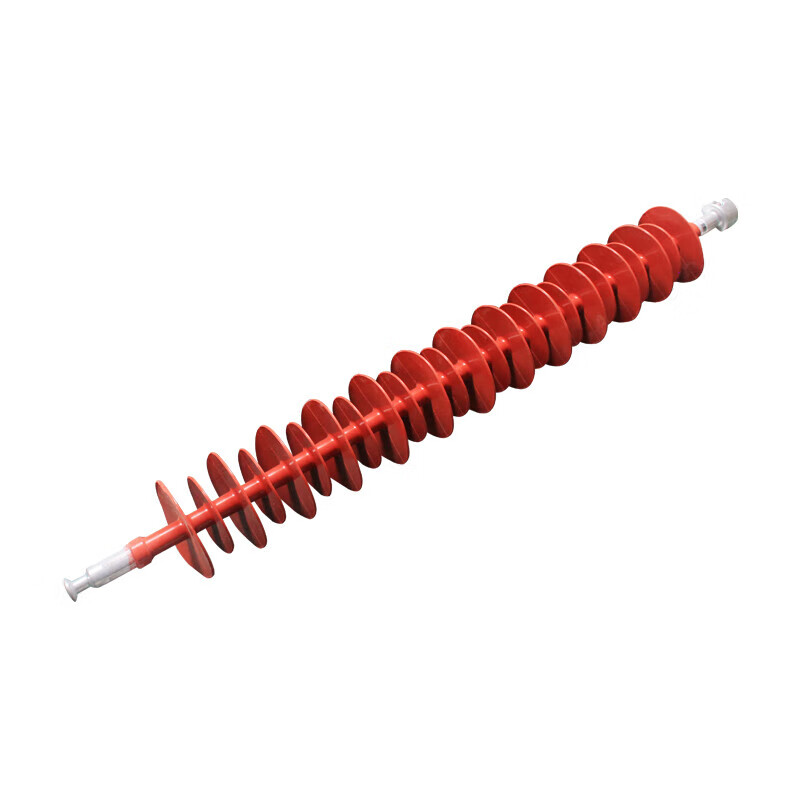
סוגי חומרים המרכיבים מאוייזרים ואפשריות המחזור שלהם
מאוייזרים קרמיים וזכוכיתיים: מסלולי מחזור מוכרים אך דרומי אנרגיה
תשתית המחזור למחזקים חשמליים מקרמיקה וזכוכית פותחה בפועל די טוב לאורך השנים, ובאזורים שבהם קיימים מערכות איסוף יעילות אנו רואים שיעורי שחזור שעוברים את ה-60%. מה קורה לכל החומר המרוסק הזה? ובכן, הוא מוחזר לתערובת כחומר גולמי לייצור מחזקים חדשים, או אפילו מסתיים בתשתיות בנייה כחומר אגרגטי. אך הנה הקושי: כאשר חומרים אלו זקוקים לשיבוץ מחדש, נדרשים טמפרטורות גבוהות של תנור שמעל 1,400 מעלות צלזיוס. מחקרים בתחום עיבוד החום מראים שזו תהליך שדורש כ-30% יותר אנרגיה בהשוואה לייצור חומרים חדשים לגמרי ממקורם. ותהליך זה שצורך כה הרבה אנרגיה מתחיל לפגוע בכל היתרונות הסביבתיים האמיתים, ברגע שהחומרים חייבים לנוע למרחק גדול מ-200 מייל כדי לעבור עיבוד. כמה חברות חשמל מבצעות ניסויים עם תנורים שמנועים על ידי מקורות אנרגיה מתחדשים כדי לצמצם את הפליטות, אך הרחבת השימוש בטכנולוגיה זו עומדת בפני קשיים אמיתיים. רשתות החשמל הקיימות לא תמיד מסוגלות לתמוך בכך, בנוסף, התאמה מחדש של ציוד ישן מגיעה במחיר גבוה מאוד שגורם לרבות מהחברות לחשוב פעמיים לפני השקעה.
מבודדים פולימריים וקומפוזיטיים: שיעורי שחזור נמוכים עקב חומרים מעורבים
הבעיה של מחזור מבודדים פולימריים וקומפוזיטיים נובעת מכך שחלקי החומר האלה פשוט לא מתפצלים כראוי. חישבו על זה: כיסויי הגומי הסיליקוני הדבוקים ללבבי הפלדה המזוית, עם רכיבי מתכת בכל קצה, עושים את הפרדת המנגנונים כמעט בלתי אפשרית. נתוני התעשייה מראים כי שיעור המחזור הכולל נשאר מתחת ל-15%, מה שלא טוב בכלל. ניסיונות טחינה יוצרים תערובות חומרים שערך השוק שלהן נמוך מאוד, ורובם מסתיימים במוצרי סיום כגון ספסלי פארק או מחסומים נגד רעש בכבישים, שבהם הם מאגרים פחות מ-20% מהערך המקורי של החומרים האלה. יש תקווה בטכניקות מחזור כימי, בהחלט, אך עדיין לא הגענו לשם מבחינה מסחרית. התהליך דורש ממסים מיוחדים ועולה כ-740,000 דולר ליחידה, לפי מחקרים אחרונים משנת 2023. עד שיצרנים יסכימו על תערובות פולימריות סטנדרטיות ויאפשרו מערכות איסוף מתאימות, רוב המבודדים הישנים ממשיכים להגיע ישירות למטעני זבל או למחזרות, למרות שהם נותרות בסביבה במשך עשורים.
הנוהגים התעשייתיים הנוכחיים למחזור מבודדים חשמליים
איסוף מבודדים קרמיים על ידי חברות החשמל בצפון אמריקה והאיחוד האירופי
חברות ת utilities באמריקה הצפונית ואירופה נמצאות בקדמת השורה בשימוש חוזר במבודדים קרמיים באמצעות יוזמות מאורagnות לאיסוף חזרה, אשר אוספות רכיבי פורצלן וזכוכית ישנים ממערכות העברת החשמל. החומרים המגוררים משמשים או לייצור סראמיקה חדשה או כחומר גרגירי לבנייה. לפי דו"ח הקיימות התעשייתי לשנת 2023, מדינות אירופה הצליחו לאסוף מחדש בין 65 ל-80 אחוז מהחומרים האלה. למרות שתהליך ההמסה צורך כמות רבה יחסית של אנרגיה ומפחית במידה מסוימת את היתרונות הסביבתיים, תקנות כגון "תוכנית הפעולה של האיחוד האירופי לכלכלה מעגלית" ממשיכות לדחוף את הפרקטיקה הזו קדימה. כאשר חברות ת"א מתאגדות עם ספקיות מחזור متخصصות, הן מצליחות לפשט הן את פעולות ההובלה והן את פעולות העיבוד. שיתופי פעולה כאלה יוצרים פתרונות מעשיים למאמצים масיביים לאיסוף מחדש, במיוחד באזורים שבהם איסוף פריטים ממקורות מרוחקים מייצר בעיות לוגיסטיות אמיתיות לרבות חברות.
יישומים מוגבלים למחזור ושימוש חוזר בבודדי פולימרים
החזרת מבודדים פולימריים למחזור נתקלת במכשולים גדולים בשל המורכבות של החומרים האלה. גומי סיליקון מעורבב בשייר גלסים אינו מתפצל בקלות, מה שגורם לשיעור ההחזרה העולמי להישאר מתחת ל-15% בערך. כרגע, התהליך הנפוץ ביותר הוא טחינה של מבודדים ישנים לרכיבים כגון ריפוד שטיחים או מדפי דרכים. יישומים אלה אינם משיגים אפילו קרוב לערכים שמקבלים חומרים חדשים – אולי פחות ב-40% לפי מחקרים אחרונים שפורסמו בכתב העת Materials Innovation Journal בשנה שעברה. מבחינה כלכלית, זה קשה מאוד: עלות עיבוד בלבד עולה יותר מ-380 דולר לטון, בעוד שהמוצר הסופי נמכר בפחות מ-210 דולר לטון. אין הרבה מקומות שמתמודדים עם זרם הפסולת הזה כראוי, ולכן רוב המבודדים הישנים מסתיימים באגירת פסולת בכל מקרה. שיטות חדשות יותר הכוללות טיפול בחום עשויות לאפשר בעתיד את השחזור של רכיבים שימושיים, אך אף אחת מהן עדיין לא הורחבה לממדים מסחריים, למרות כל הדיונים הרבים סביבן.
המכשולים העיקריים שמגבילים את אימוץ החזרת מבודדים למחזור
זיהום, פיצול וחוסר מערכות איסוף מיועדות
כשמaterialים שונים מתערבבים בתהליך המחזור, במיוחד דברים כמו חתיכות סרמיקה שמתחברות לחלקי פלסטיק, ניסיון להפריד אותם בשלב מאוחר יותר כבר לא תורם מבחינה כלכלית. גם רוב הערים אינן מצוידות כראוי כדי להתמודד עם הבלגן הזה כראוי. פחות מ-1 מתוך כל 8 חברות חשמל יש להן מערכת תקנית לשחזור מדפי בידוד ישנים, ולכן מה קורה? ובכן, ברוב המקרים הם מסתיימים באסלי זבל רגילים או בכל אתר פסולת מקומי שקרוב יחסית. ואם זה לא מספיק גרוע, הרי שחלק גדול מקווי החשמל הישנים משתמשים במדפי בידוד מורכבים ואלגנטיים אלו שעשויים מגומי סיליקון הדבוק לליבה של פיברגלס. הבעיה כאן היא שאף אחד באמת לא יודע איך לפרק אותם ללא ציוד מיוחד, אשר מרבית מרכזי המחזור כלל אינם מחזיקים. המצב הזה אינו ייחודי למדפי הבידוד בלבד. אנו רואים בעיות דומות בכל סוגי מאמצי המחזור ברחבי העולם, שבהם אי-היכולת שלנו לסווג נכון את החומרים גורמת לכך שאנחנו מצליחים לשחזר רק בערך עשירית מהפלסטיקים שאמורים להיות ניתנים למחזור על פי התיאוריה.
המציאות הכלכלית: עלויות הפרדה לעומת חומרים מוחזרים בעלי ערך נמוך ותחרות מול חומרים חדשים
הכלכלה של המחזור מציגה מכשולים קובעים. עיבוד של חומרים קרמיים או פולימריים מורכבים ומזוהמים עולה 740 דולר לטון (פונמון, 2023) – יותר משלוש פעמים עלות ייצור חומרים חדשים. התוצרים המוחזרים מתמודדים עם חסרונות שוק חמורים:
- חומרים מורכבים המוחזרים בדרגה נמוכה נמכרים במחיר של 40% מהחומר החדש המתאים להם
- נוסחות זכוכית מיוחדות דורשות רמות טהרה שלא ניתן להשיגן באמצעות תהליכי מחזור קונבנציונליים
- המחיר של פולימרים חדשים נמוך ב-220 דולר לטון מהמחירים של חומרים מוחזרים
אי-האיזון הזה מאט את ההשקעה בתשתיות המחזור. חברות החשמל מעדיפות הסDisposed זולות אלא אם כן נקבע אחרת – דרישות רגולטוריות ספציפיות לחומר או יעד לתוכן מוחזר נותרות נדירות. ללא כלים מדיניות כגון תמריצים או דרישות קנייה, פתרונות מעגליים נשארים שוליים מבחינה מסחרית.
דרכים קדימה: אסטרטגיות לכלכלה מעגלית למבודדים
תקנים לעיצוב להחזרה ונוסחות סטנדרטיות לחומרים מורכבים
הגישה לעיצוב למטרות מחזור היא באמת קריטית כאשר מדובר בשיעורי שחזור חומרים משופרים. כרגע יש מגוון רב מדי בחומרים המשמשים לייצור המוצרים הללו. אנחנו מדברים על משהו כמו חמישה-עשרה תערובות פולימריות שונות, ואפילו רק ביחידות דרגת הפעלה (transmission grade units). כאשר החומרים מורכבים באופן עקבי, מפעלים יכולים להפריד אותם באופן מכני ולעבדם תרמית ללא כל כך הרבה קשיים. כמה מחקרים מציעים שאם נצליח לגרום לכולם להשתמש בחומרים מרוכבים דומים, ייתכן שנראה עלייה של כארבעים אחוז באחוז הפולימרים שמתאושרים מפסולת, ובמקביל צמצום בצריכת האנרגיה בתהליך העיבוד בקרוב לשלושים אחוז לעומת הטיפול בחומרים המעורבבים. תקנות כגון הנחיה לאקולוגיות (Ecodesign Directive) של האיחוד האירופי מתחילות לדחוף את החברות לחשוב על יכולת המחזור כבר בשלב העיצוב. זה דוחף את יצרני החומר לפתרונות פשוטים יותר המבוססים על חומר אחד בלבד וחומרים מתאמנים בטוחים יותר אשר שומרים על השימושיות של החומרים גם לאחר מספר מחזורי חיים.
תוכניות החזרה לשימוש ולשיקום ושותפויות לשיקום בין תחומים
כאשר חברות חשמל פועלות ביד אחת עם גופי שיקום ומומחים בחומרים, הן מקדמים התקדמות אמיתית נגד בעיות עתיקות באיסוף ובעיבוד של חומרים. קחו לדוגמה את תוכניות החזרה האזוריות. תוכניות אלו מאפשרות לחברות חשמל לאסוף ציוד שלם בסופו של מחזור חייו במהלך שדרוגי רשת, ומקבלות תוצאות טובות פי שלושה בהשוואה למערכות הרגילות המופעלות על ידי רשויות מקומיות. כמה תחומים מוצאים שימושים חדשים בפלסטיקים משובצים זכוכית בפרויקטים בנייה, ובכך מונעים את הזרקת כ-12,000 טון לחופים כל שנה. מבחנים ראשוניים מראים שסיליקון גומי משוחזר עובד באותה יעילות כמו חומר חדש לחלוטין במצבים מסוימים של מתח נמוך, בתנאי שמתנהלים עיבוד ותפעול מתאימים בטמפרטורות ספציפיות. המסקנה הסופית? שותפויות מסוג זה מפחיתות את ההוצאות של חברות החשמל לקניית חומרים ב-18–22 אחוזים, ובנוסף מסייעות ליצור מעגלים של חומרים שיכולים להתרחב לאורך זמן.
שאלות נפוצות
אילו הם האתגרים העיקריים בשימוש חוזר במבודדים פולימריים ומורכבים?
האתגרים העיקריים כוללים את הקושי להפריד חומרים מעורבים כגון גומי סיליקון וסיבי זכוכית, מה שגורם לשיעורי שחזור נמוכים ולמוצרי שחזור בעלי ערך נמוך.
באיזו מידה תהליך השחזרה של מבודדים קרמיים וזכוכיתיים הוא אינטנסיבי באנרגיה?
שחזור מבודדים קרמיים וזכוכיתיים הוא אינטנסיבי באנרגיה, מכיוון שהוא דורש טמפרטורות תנור גבוהות מ-1,400 מעלות צלזיוס, וצורך כ-30% יותר אנרגיה בהשוואה לייצור חומרים חדשים.
מדוע גורמים כלכליים מהווים מחסום לשחזר מבודדים?
גורמים כלכליים מהווים מחסום משום שעלות שחזור המבודדים עולה על עלות ייצור חומרים חדשים, וכן חומרים משוחזרים מתמודדים עם חסרונות שוק שמקלים על התחרותיות שלהם.
אילו מסלולים אפשריים קיימים לשיפור שחזור המבודדים?
מסלולים פוטנציאליים כוללים פיתוח סטנדרטים לעיצוב לשימוש חוזר, סטנדרטיזציה של تركובות חומרים, והקמת תוכניות להחזרת ציוד על ידי חברות התועלת ושותפויות לשימוש חוזר בין תחומים כדי לשפר את האחזור החומרי וליצור פתרונות מעגליים.