EN
EN

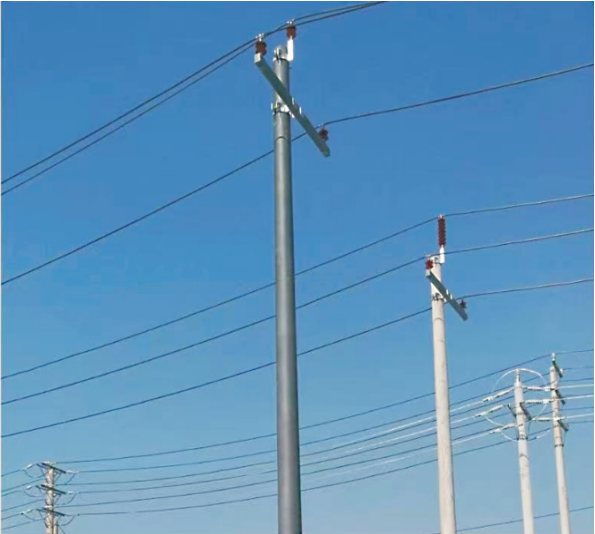
Inspecting Utility Poles: Key Assessment and Inspection Methods
Visual Inspections to Identify Surface-Level Damage
Field crews conduct bi-annual visual assessments to document cracks, fungal growth, and pest damage. A 2024 ScienceDirect study on utility pole degradation revealed 84% of inspected poles showed measurable surface deterioration within 15 years of installation. Inspectors use standardized rating scales to prioritize repairs based on defect severity.
Sounding Tests and Probing for Hidden Decay
Steel hammers and acoustic sensors identify internal voids through distinct sound signatures—solid poles produce clear reverberations, while decayed areas yield dull thuds. This method detects subsurface defects in 23% of visually intact poles according to grid operator reports.
Boring and Excavation Tests for Below-Grade Integrity
Core sampling drills extract 0.5" diameter wood plugs from groundline zones to measure moisture content and fungal penetration. Data shows 62% of structural failures originate within 18" of soil level, making this the most critical inspection area.
Advanced Imaging and Non-Destructive Evaluation Techniques
Ground-penetrating radar and ultrasonic scanners create 3D models of internal pole structures, identifying cavities with 92% accuracy in controlled trials. Thermal cameras also detect early-stage decay through temperature variations in wood density.
Predictive Maintenance and Data-Driven Inspection Programs
Utilities combining inspection data with machine learning models achieve 31% longer pole service life compared to time-based replacement schedules. These systems analyze 12+ variables including species, treatment history, and local climate factors.
Common Types of Damage Affecting Utility Pole Structural Integrity
Decay, Rot, and Fungal Growth in Wooden Utility Poles
The wooden utility poles we see everywhere are constantly under attack from nature itself. According to data from the National Rural Electric Cooperative Association, around three out of every four pole replacements happen because of ground line decay problems. When water collects at the bottom of these poles, it basically invites trouble in the form of white rot fungi and those pesky soft rot microbes that start breaking down all those cellulose fibers. While applying borate treatments regularly and installing moisture barriers helps slow things down somewhat, most poles still end up needing replacement somewhere between fifteen to twenty five years if left unchecked. Maintenance crews deal with this issue all the time across different regions where weather conditions vary so much.
Cracks, Corrosion, and Weathering from Environmental Exposure
All utility pole materials degrade from environmental stress:
- Wood: UV radiation and temperature swings cause surface checking (cracks)
- Steel: Salt and humidity accelerate corrosion, thinning walls by 0.5—2mm annually
- Concrete: Carbonation reduces alkalinity, exposing rebar to oxidation
Steel poles in coastal regions show 40% faster corrosion rates than inland installations.
Storm Damage and Mechanical Impact Risks
High-wind events account for 33% of emergency pole repairs, with ice storms doubling failure risks in northern climates. Vehicle collisions damage 12,000+ poles annually in the U.S., often requiring full replacements due to compromised structural anchors.
Insect Infestation and Long-Term Deterioration Patterns
Subterranean termites destroy 4% of wooden utility poles yearly in warm climates. Carpenter ants exacerbate internal decay by tunneling through heartwood. Composite inspection data shows:
| Inspection Method | Insect Detection Rate |
|---|---|
| Sounding Tests | 62% |
| Resistance Drilling | 89% |
| Thermal Imaging | 78% |
Early identification through combined inspection methods extends service life by 8—12 years on average.
Preventive Maintenance Strategies to Extend Utility Pole Lifespan
Scheduled Inspections and Proactive Replacement Programs
The return on investment for regular maintenance of wooden utility poles is staggering when looking at the numbers. Utilities spend just $30 to $40 every ten years inspecting these poles, versus facing costs upwards of $5,000 when they have to replace them urgently after failures. The standard practice involves checking poles roughly once a decade, which helps spot issues like rot, cracks, and termite damage before they become major problems. Many companies now run predictive maintenance programs that combine traditional methods like ground line probing with modern sounding tests. These combined approaches cut down structural failures by about 40 percent over old fashioned reactive strategies. When utilities replace poles while they still have around 60 to 70 percent of their original strength left, it keeps power outages to a minimum and also sidesteps potential OSHA fines related to deteriorating infrastructure that could pose safety risks to workers during repairs.
Utility Pole Treatment and Preservation Schedules
Creosote treatment can keep wood structures going strong for around 40 to 50 years if properly reapplied approximately every 15 years. These days, many companies are switching to greener options like borate solutions which still stop fungi growth effectively but don't harm the environment nearly as much. For those working along coastlines where salt air eats away at materials, combining standard chemicals with special UV resistant coatings has become pretty much standard practice. Most utility companies now use computerized monitoring systems so their maintenance teams know exactly when poles need another round of treatment before the protective chemicals fall below about quarter pound per cubic foot, which is generally considered the minimum needed to actually prevent rotting issues down the road.
Monitoring Aging Infrastructure with Digital Asset Management
Centralized inspection software reduces maintenance costs by $200—$740 per pole annually through features like:
- Predictive analytics flagging decay patterns in high-moisture zones
- Geotagged photographic records documenting changes in wood grain and corrosion levels
- Automated alerts when ground resistance measurements exceed 100 ohms, indicating compromised stability
Digital workflows improve compliance with ASTM D1030 standards by standardizing decay assessment criteria across inspection teams.
Utility Pole Treatment and Preservation: Chemical and Eco-Friendly Solutions
Keeping utility poles intact means finding that sweet spot between making them tough enough to last and being good stewards of the environment. Old school preservatives like creosote, CCA, and PCP are still out there because they really fight off rot, but the EPA has clamped down hard on arsenic and dioxin levels lately to protect groundwater from getting contaminated. Things are changing though. Borate treatments and those new micronized copper systems are becoming popular choices these days. They work just as well but aren't so toxic. A recent look at what's happening in utility infrastructure shows that around 35% plus of companies across North America are going green when it comes time to replace old poles. Makes sense really since properly maintained poles can stick around for anywhere from 25 to 50 years. And there are even cool new tricks like those polymer sleeves that wrap around the bottom part to stop decay underground. Going green isn't all roses though. Workers need extra precautions when handling chemicals and disposing of old poles to stay compliant with both OSHA rules and environmental laws. Safety first always.
Worker Safety and Compliance in Utility Pole Maintenance Operations
Exposure Risks from Chemical Preservatives and Treated Wood
The folks who work with those chemically treated utility poles run into some serious health problems because of stuff like creosote and PCP. When workers get exposed to these chemicals over time, they tend to develop breathing troubles and irritated skin. The Occupational Safety and Health Administration has strict rules in place for this kind of work, mandating full body protective gear and regular checks on air quality while the treatments are being applied. Looking at what's happening in the industry, most accidents actually happen not during the treatment itself but rather when proper procedures aren't followed for storing or getting rid of the treated wood. Studies point to around 78 percent of all exposure cases coming from these kinds of shortcuts, which shows how critical it is to stick with established safety practices throughout every stage of the process.
Safety Protocols for Climbing, Testing, and Replacing Poles
When it comes to keeping workers safe on poles, fall protection harnesses, properly rated buckets, and insulated gear are absolutely essential basics for anyone doing maintenance work. Most good training programs stress out three main things to check before anyone starts climbing up there: making sure the structure itself is solid, checking what kind of weather conditions we're dealing with, and confirming all equipment certifications are current. The lockout tagout process stops unexpected power surges when folks are fixing things, and ground crew members need to stay at least ten feet away from where the actual work happens. This distance rule isn't just paperwork either - experienced technicians know how important those clear spaces really are in case something goes wrong unexpectedly.
Industry Standards and OSHA Compliance in Field Operations
Annual OSHA 29 CFR 1910.269 audits ensure compliance in arc-flash protection, chemical exposure limits, and equipment grounding. Modern utilities implement digital compliance dashboards that track crew certifications, incident reports, and preservative handling records in real time, reducing administrative errors by 63% compared to manual systems (2024 Utility Safety Benchmark).
Frequently Asked Questions
Why are regular inspections of utility poles important?
Regular inspections help identify potential issues like rot, cracks, and termite damage early, allowing for timely maintenance and reducing the risk of structural failures and costly replacements.
What are the common types of damage affecting utility poles?
Common types include decay, rot and fungal growth, cracks and corrosion from environmental exposure, storm damage, mechanical impact risks, and insect infestation.
How can predictive maintenance enhance the lifespan of utility poles?
Predictive maintenance uses inspection data combined with machine learning models to predict when repairs or replacements are necessary, extending utility pole service life by analyzing factors such as species, treatment history, and local climate.
What safety measures are necessary for workers maintaining utility poles?
Workers should use fall protection harnesses, properly rated buckets, and insulated gear, and comply with protocols like lockout tagout to ensure safe maintenance operations.
What are some eco-friendly solutions for treating utility poles?
Borate treatments and micronized copper systems are popular eco-friendly options for treating utility poles as they effectively prevent rot without being highly toxic.
Table of Contents
- Inspecting Utility Poles: Key Assessment and Inspection Methods
- Common Types of Damage Affecting Utility Pole Structural Integrity
- Preventive Maintenance Strategies to Extend Utility Pole Lifespan
- Utility Pole Treatment and Preservation: Chemical and Eco-Friendly Solutions
- Worker Safety and Compliance in Utility Pole Maintenance Operations
-
Frequently Asked Questions
- Why are regular inspections of utility poles important?
- What are the common types of damage affecting utility poles?
- How can predictive maintenance enhance the lifespan of utility poles?
- What safety measures are necessary for workers maintaining utility poles?
- What are some eco-friendly solutions for treating utility poles?