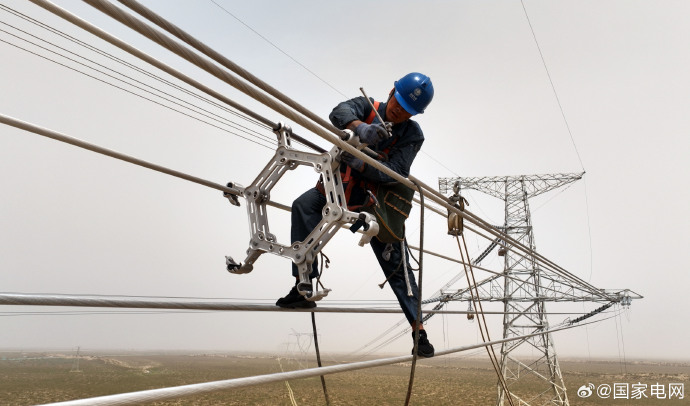
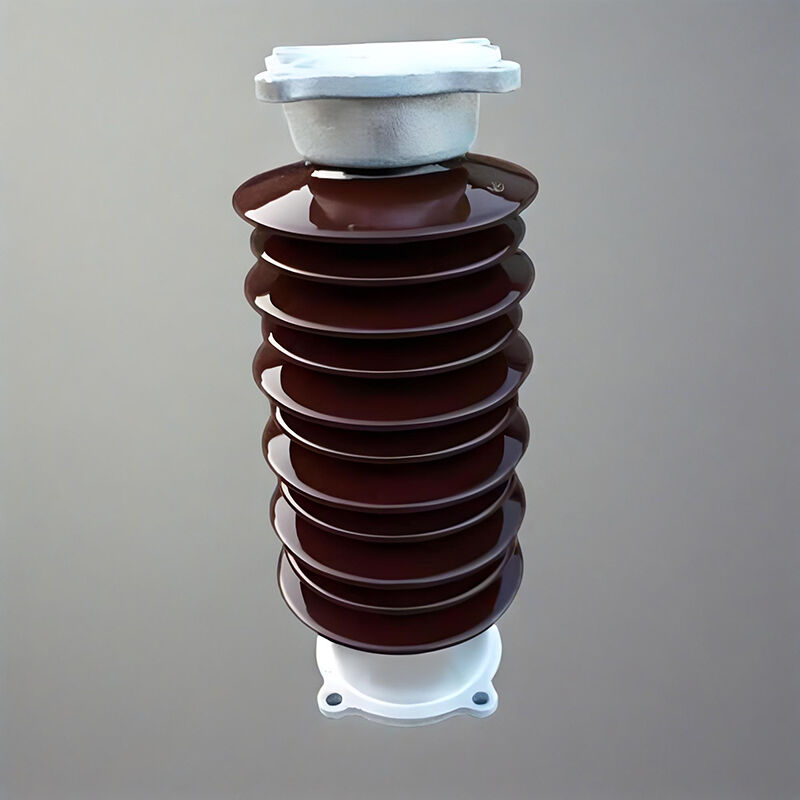
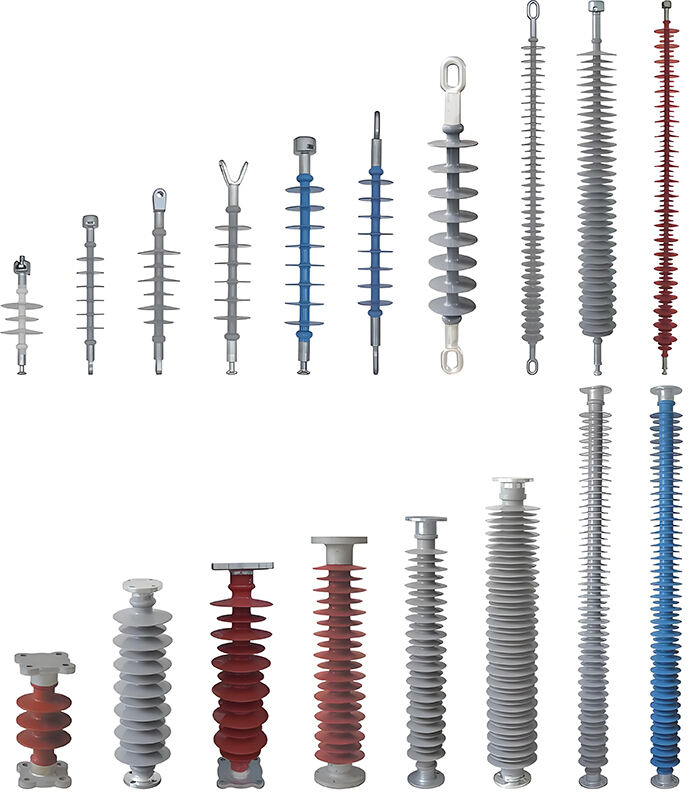
The backbone of any reliable electrical grid is its overhead transmission network, and the silent guardians of this network are the Transmission Construction Insulators. These components serve the fundamental purpose of electrically isolating the live conductor from the grounded tower structure while simultaneously supporting the conductor's mechanical weight and withstanding dynamic forces from wind and ice. The choice of insulator directly impacts the construction methodology, long-term operational safety, maintenance overhead, and total cost of ownership of the power line.
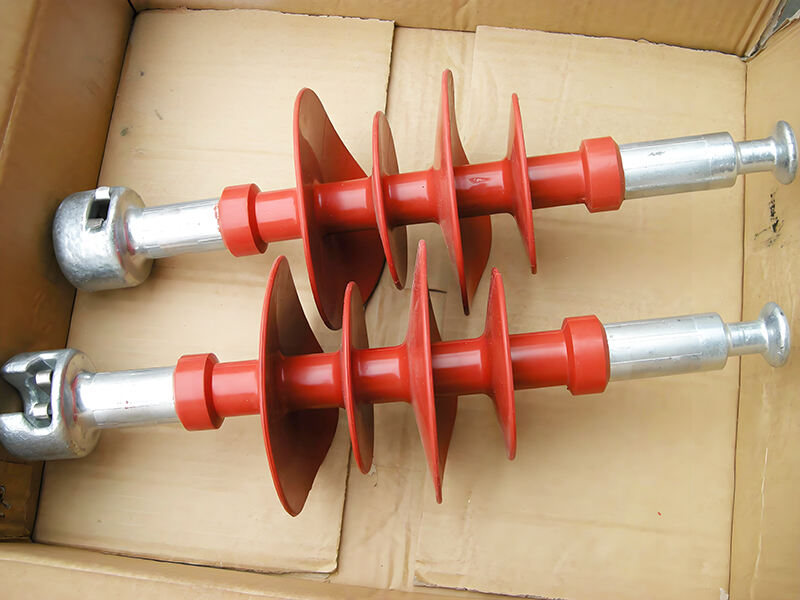
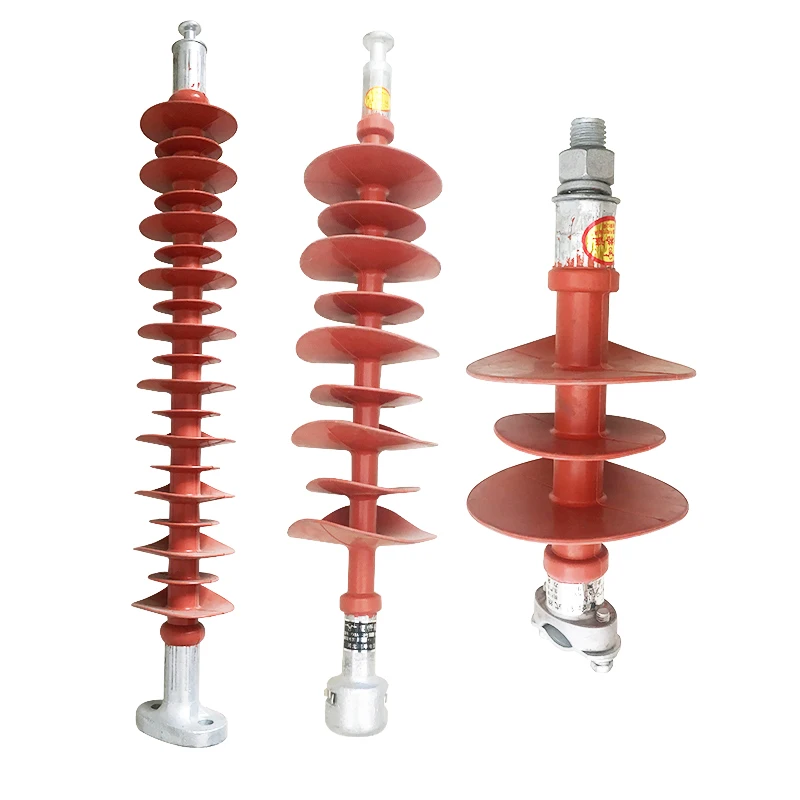
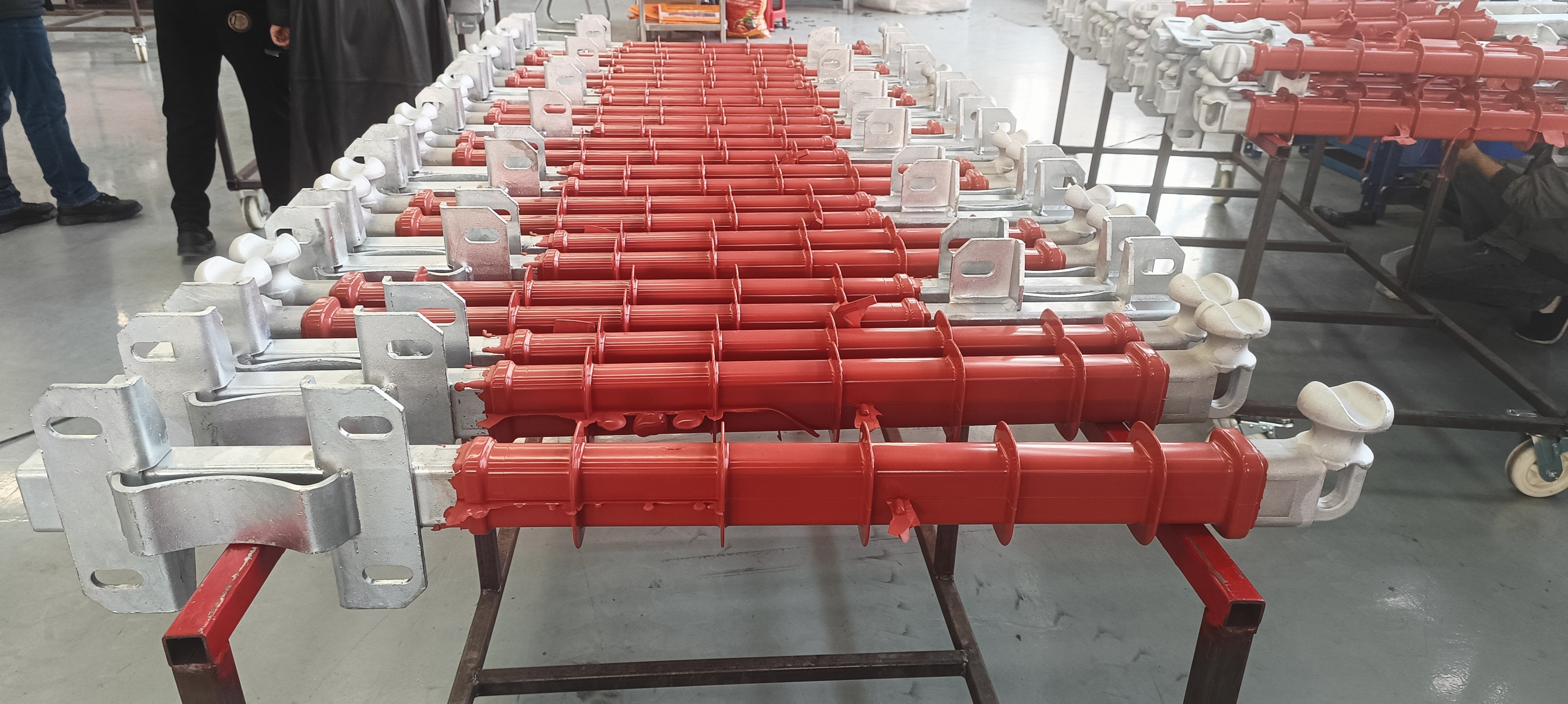
At Hebei Heiniu, we approach insulator manufacturing with a deep understanding of these multifaceted roles. Our product line for transmission construction primarily includes composite (or non-ceramic) insulators, which utilize a Fiber Reinforced Polymer (FRP) core for supreme tensile strength, a silicone rubber housing and sheds for excellent hydrophobicity and pollution performance, and precision-engineered metal end fittings. The FRP core, produced in our own facility, is the load-bearing spine. We select optimal fiber-resin matrices and curing processes to ensure it possesses high specific strength, excellent fatigue resistance, and zero brittle fracture risk—a critical safety advancement over traditional materials.
The silicone rubber housing is not merely a cover; it is a dynamically performing layer. Its inherent and migrating hydrophobicity causes water to bead up and roll off, preventing the formation of a continuous conductive film—a common cause of flashover in polluted or humid conditions. This property, combined with our scientifically shaped shed profiles, enhances the creepage distance and ensures reliable performance in coastal, industrial, or desert environments where salt, dust, or chemical contaminants are prevalent. For the metal fittings, our expertise in forging, machining, and anti-corrosion treatment comes to the fore. We design fittings with optimal ball-and-socket or clevis geometries for easy erection and articulation. The hot-dip galvanizing process provides a thick, durable zinc coating that sacrificially protects the steel for 40+ years.
The most technologically demanding aspect is the interface sealing system. We employ a multi-barrier approach, often involving a combination of compression molding, O-rings, and adhesive sealing, to create an impregnable barrier against moisture and electrochemical corrosion. This is rigorously validated through cycles of thermal, mechanical, and electrical stress testing in our lab. Furthermore, our capabilities in advanced welding (friction welding for dissimilar metals, argon arc welding) allow us to create robust, custom fitting assemblies for unique tower designs or hardware connections.
Ultimately, selecting Heiniu Transmission Construction Insulators means choosing a component engineered for total lifecycle value. They are lighter than ceramic/glass, simplifying handling and construction, reducing structural load on towers, and allowing for longer spans. Their superior vandalism resistance and proven service life translate into lower replacement costs and higher grid reliability. We invite utilities, EPC contractors, and distributors to consult with our technical team to specify the ideal insulator solution that balances electrical, mechanical, environmental, and economic requirements for your next transmission line project.
 EN
EN