EN
EN

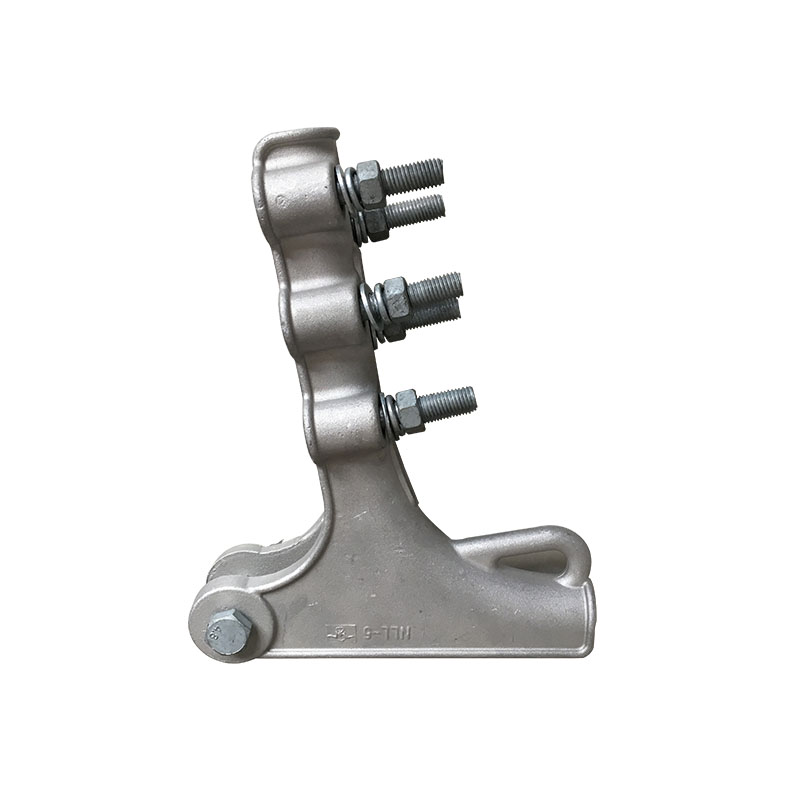
Tension clamps are important components of any power lines as they allow the lines to function properly throughout different environments and conditions. This article focuses on the design of the clamps and how they are built to prevent power line failures and professionally preserve the electrical facilities.
Tension Clamp: Definition and Purpose
Tension clamps fall under a category of structures known as the overhead power line structures. Tension clamps function to secure and allow the conductors the requisite tension to allow stability at the same time. Tension clamps stop conductors from dynamic loads and sagging to prevent the breakage of power lines.
What are the Main Responsibilities of Tension Clamps and How Do they Prevent Failures
Tension clamps are best known for its efficiency in blocking extreme power line failures. Tension clamps are widely used because of the over-head power lines and due to other extreme weather conditions. Tension clamps act as a backup support for all cables under rough conditions and hold them under place.
Design Features of Effective Tension Clamps
The evolution of modern tension clamps incorporates advanced materials and technology to improve performance. For modern clamps to remain optimally reliable over time, they must be lightweight, resistant to corrosion, and have a high tensile strength. Furthermore, modern tension clamps tend to be easier to install and maintain, which is important for utility companies trying to minimize downtime and costs.
Case Studies: Success Stories of Tension Clamp Implementation
The applications of tension clamps have been well documented for their usefulness in eliminating power line failures. Take, for example, a utility company that served a storm prone area; reporting outages for them was simple until the company switched to high performance tension clamps and their outages dramatically reduced. A study of the company's historical data showed that the new clamps outperformed older models in withstanding extreme weather.
Tension Clamps Technology Innovations and Future Trends
Innovations on tension clamps will continue to evolve with the growing need for dependable electrical infrastructure. Future innovations might consist of the integration of smart sensors with the capability to monitor power lines and provide real-time data to operators. Furthermore, real-time data could enable operators to perform proactive maintenance on the lines. In addition, breakthroughs in the are of smart materials could make clamps even more effective in preventing power line failures.
To summarize, tension clamps are essential in the electrical industry and are helpful in the prevention of power line failures and outages. Understanding their significant functions, their design, and future innovations will allow utitlity companies to make decisions that improve their power delivery systems.